







Order from our trusted online pharmacy and get cheap prescription drugs without any quality compromise. Buy from us and save your money with prescription drugs.


Hair does not just grow forever. It grows, then rests, then sheds. That cycle keeps repeating. Every single strand on your head is in a different phase. That is why you do not go bald overnight when hair sheds.
Losing hair daily is normal. Around 50 to 100 hairs a day is common. Most people do not notice because new hair replaces what falls out.
Real hair loss usually starts at the follicle level. That is under the skin. It is often genetic. It is often hormonal. Stress can trigger shedding. Illness can trigger shedding. Some medications can cause thinning.
The two most common types of hair loss are male pattern baldness and female pattern baldness. The condition exists because of hormonal factors and genetic predisposition. People who do not use hats but experience hair loss from their condition should look for other causes.
The question about does wearing a hat cause hair loss needs explanation because most hair thinning happens due to internal body changes rather than headwear contact with the scalp.
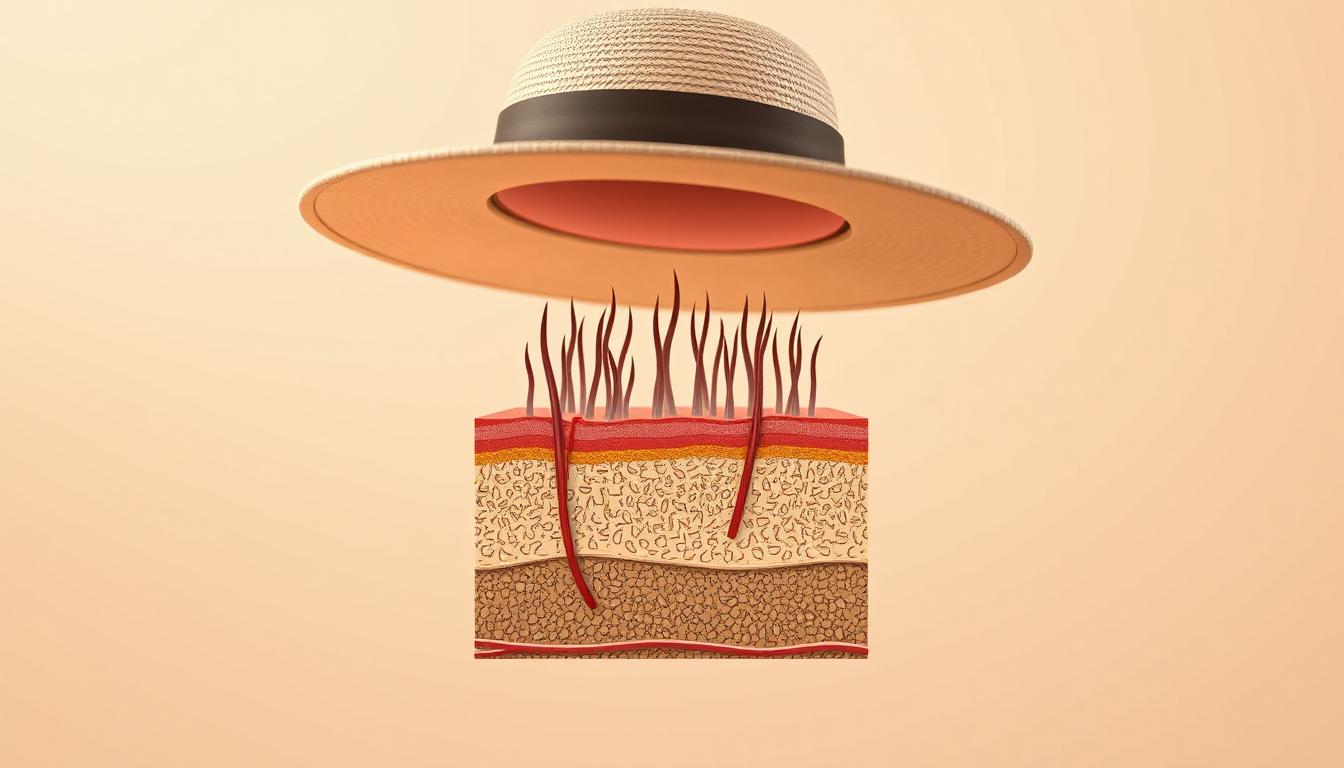
There is a long-running belief that hats suffocate the scalp. People think hair needs air. They think covering the head cuts off oxygen.
That idea keeps spreading. It sounds simple. Cover something and it cannot breathe.
That is where the hat hair loss myth comes from.
But hair follicles do not breathe air. They get oxygen from blood. A hat does not block that.
People also ask does wearing hats cause baldness or is hat wearing linked to baldness. There is no strong medical evidence supporting that.
The myth continues mostly because thinning and hat wearing often happen at the same time. Many men start wearing hats more often after they notice thinning. The hat did not cause it. The thinning came first.
Hair follicles sit under the skin. Blood vessels feed them. Oxygen travels through blood, not air.
A normal hat does not cut off blood supply. It does not block circulation unless it is extremely tight.
So when someone asks does wearing cap cause hair fall, the idea of suffocation does not match how the scalp actually works.
Hair growth depends on hormones, genes, and health. Not airflow.
Normal hat use does not shut down follicles.
There are limited cases where hats might contribute to minor issues.
If someone wears a very tight hat daily and it constantly rubs or pulls the same area, friction could stress the hair. This is where tight hats hair loss discussions come in.
This would not usually cause full baldness. It would more likely cause thinning in the area of pressure.
Poor hygiene can also matter. Wearing the same sweaty hat every day without washing it could irritate the scalp.
Sweat buildup may cause itching or flaking. In rare cases, fungal infections can develop if the scalp stays damp and unclean.
That kind of irritation is different from permanent baldness. It is usually temporary and treatable.
So when people mention hair loss from wearing hat, it usually involves tight pressure or poor scalp care, not normal loose hat use.
Traction alopecia is hair loss caused by repeated pulling.
It is much more common with tight hairstyles than with hats.
Braids, tight ponytails, cornrows, and extensions are typical causes.
Some people wonder does wearing a tight hat damage hair follicles. If a hat is extremely tight and worn constantly, it could create mild traction in certain areas.
Signs include thinning along the hairline or at pressure points.
Early detection matters. If tension stops early, hair often grows back.
This is different from genetic baldness.
If you wear hats often, basic hygiene helps.
Wash your scalp regularly.
Let hats dry fully before wearing them again.
Choose breathable materials when possible.
If there is itching, redness, or flaking, that should be monitored.
Keeping the scalp clean reduces irritation risk.
But again, normal hat use is not a proven cause of permanent thinning.
Family history is the biggest factor.
If close relatives have pattern baldness, the risk is higher.
Hormonal sensitivity, especially to DHT, plays a major role in men.
Women may experience thinning due to hormonal shifts, menopause, or medical conditions.
Certain illnesses and medications also cause shedding.
When someone asks can hats cause hair thinning, it is usually better to look at genetics and hormones first.
There is no strong evidence that hats accelerate genetic baldness.
Pattern hair loss is hormone- and gene-driven.
Wearing hats may make thinning more noticeable when removed. That visual contrast can create the impression that the hat caused it.
But can wearing a hat everyday cause hair loss has not been supported by solid research in normal conditions.
The same applies to does wearing a baseball cap cause hair loss.
Addressing hormone-related causes is more important than avoiding hats.
Sudden hair loss, especially in patches, should be evaluated.
Scalp pain, redness, or infection signs need attention.
Gradual thinning that causes concern can also be reviewed.
If someone is worried about hat and hair loss, a proper assessment helps identify the real cause.
Support and treatment guidance are available at Grant Pharmacy (grantpharmacy.com) for those who want to discuss hair concerns and possible treatments.
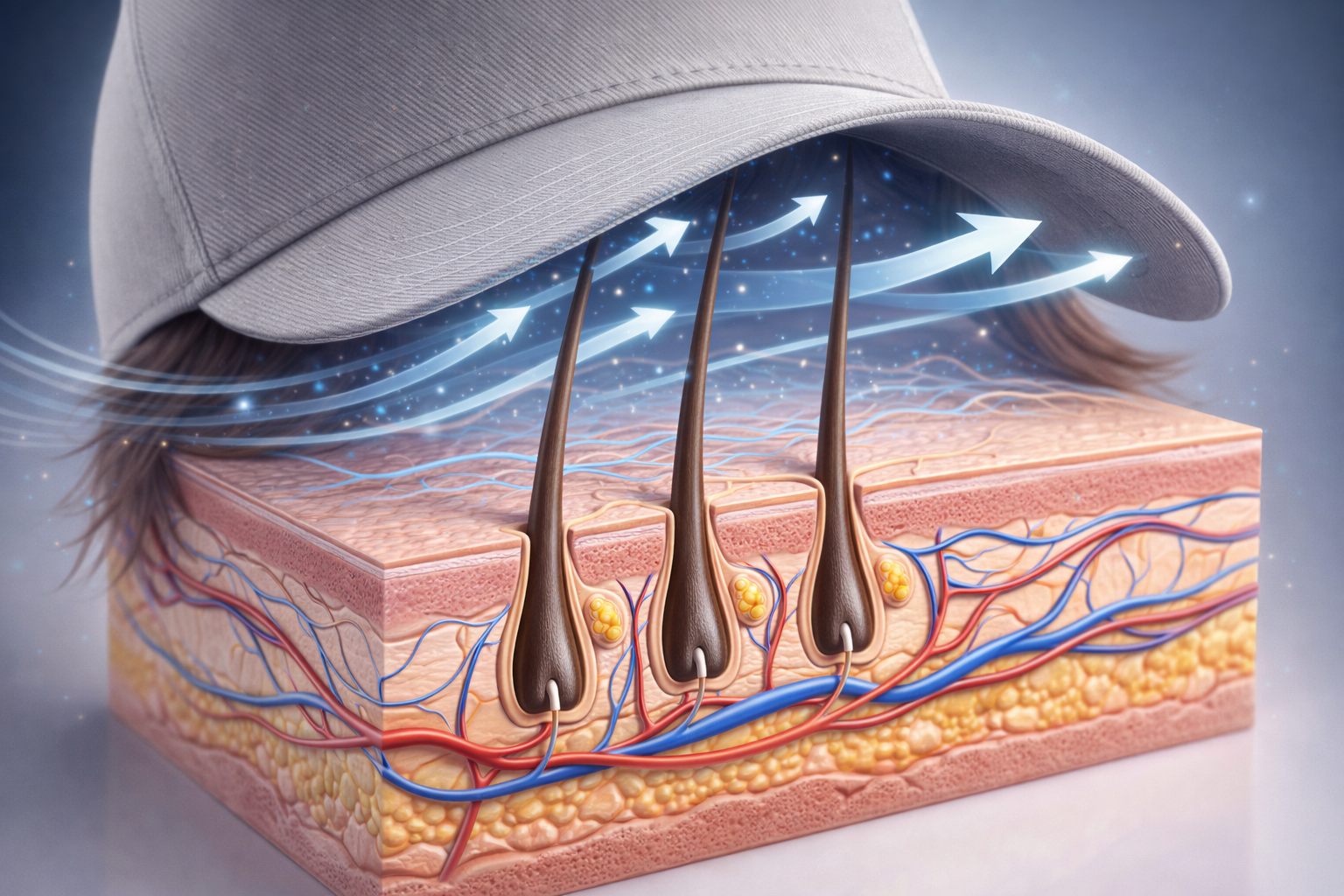
Normal hat use does not cause permanent hair loss.
Very tight hats could create friction in rare cases.
Unclean hats may irritate the scalp but do not usually cause baldness.
Genetics and hormones remain the main causes of thinning.
If hair loss is happening, the cause is usually internal rather than from wearing a hat.