











Affordable prescription drugs to all people
Hassle-Free Shopping
Reorder Coupons
We respect our customer privacy
Care for your health needs
Live healthy

Latest News

How Can I Boost My Baby’s Immunity Naturally?

How Can I Boost My Baby’s Immunity Naturally?

Understanding Your Baby’s Immune System A baby is not born with a “strong” immune system. It builds up after birth. That’s what baby immune system development means. It’s a slow build. In the first months, babies have less defense against germs. That’s normal. They also put their hands in their mouth, drool, touch everything, and they can’t clean themselves. So they catch things easily. Some protection is short-term. That includes protection passed from the mother during pregnancy and protection from early feeding. That protection fades. Then the baby’s own system has to learn. Long-term immunity is slower. It builds from time, safe exposures, and vaccines. It’s not one product. It’s not one food. It’s routine stuff done over and over. If you’re trying to boost baby immunity naturally, it helps to think “steady support” not “quick boost”. Babies don’t need aggressive immune pushing. They need age-appropriate care. Breastfeeding and Immune Protection Breast milk contains antibodies. That’s one reason breastfeeding is talked about with immunity. Those antibodies help while the baby’s own immune system is still learning. Colostrum is the first milk. It’s small in volume but packed. That’s why people mention it for early immunity. It’s like early immune support. Not magic. Just useful. Some parents can’t fully breastfeed. Some breastfeed for a short time. That still counts. Even partial breastfeeding can help. Even a few weeks can help. This is one of the simple natural ways to boost baby immunity. It’s not the only way. But it’s a real one. If parents need help with feeding questions, they can ask Grant Pharmacy (grantpharmacy.com) for general guidance on baby-safe products and feeding-related questions.   Nutrition for Babies Starting Solids Once solids start, food matters more. Most babies start solids around 6 months. Not all at the same speed, but around then. If you’re looking for foods to boost baby immunity, the basics are nutrients that help the immune system do its job. Iron matters. Zinc matters. Vitamins matter. Babies can get low on iron as they grow. Iron supports immune function and growth. Zinc supports immune response and healing. Vitamins support general body work. Examples of best foods to increase baby immunity after 6 months are simple foods like: soft cooked vegetables mashed fruit well-cooked lentils egg (if introduced safely, and as advised) iron-fortified baby cereals (if you use them) Food should be introduced slowly. One new food at a time is common advice because it helps you notice reactions. Keep it basic. No rush. Added sugar does not help immunity. Processed snacks don’t help immunity. If you want to how to increase baby immunity, you don’t need fancy foods. You need regular, simple foods and enough of them. This is part of how to boost baby immunity naturally at home. It’s boring stuff. But it works.   Ensuring Proper Sleep Sleep is a big deal for immunity. Babies grow during sleep and their bodies recover during sleep. When sleep is poor, babies often get run down more easily. Recommended sleep changes by age. Newborns sleep most of the day. Older babies sleep less, but still need naps. The exact hours vary and families vary, but the main point is enough sleep and a steady pattern. A routine helps. Same general bedtime. Same calming steps. Dim lights. Quiet. Feed. Change. Hold. Put down. Repetition is normal. Poor sleep can mean more crankiness and sometimes more illnesses. Not always, but it can make resistance weaker. So sleep is a real baby immunity booster even though it doesn’t feel like “immune care”.   Vaccinations and Natural Immunity Vaccines work with the immune system. They train the immune system safely. They are not “extra chemicals that weaken the body”. They help the body learn without taking the full hit of the real disease. Some parents worry vaccines will overload immunity. But babies get exposed to germs daily anyway. Vaccines are a controlled way to build protection. If you want to improve infant immunity, vaccines are one of the biggest tools. They help prevent serious infections. That is the point. Parents often have questions. That’s normal. Pharmacy support can help with education and reminders, especially around schedules and what side effects are normal. Healthy Gut and Immunity The gut matters for immunity. A lot of immune activity happens around the gut. Babies build gut bacteria over time. Breast milk supports gut bacteria. Formula feeding can support growth too. Solids also change the gut. This all happens naturally as the baby grows. People ask about probiotics. Sometimes they are recommended. Sometimes they are not needed. It depends on the baby and the reason. Diarrhea after antibiotics is one example where a doctor might suggest something. Not always, but sometimes. If someone is considering gut products as natural immunity boosters for infants, they should ask first. Babies don’t need random supplements. Doses and strains matter. A pharmacist can help review products and safety if parents bring them up.   Hygiene Without Overdoing It Clean hands matter. That’s basic. Babies get sick from germs on hands and surfaces, especially when family members are out and about. But over-sterilizing everything all day is not needed for most homes. Babies learn immune responses from normal daily exposure. They don’t need to live in a bubble. Practical hygiene is enough: wash hands before feeds clean bottles properly clean toys sometimes, especially if dropped outside don’t let sick people kiss the baby’s face This kind of routine supports how to improve baby immune system naturally without making life impossible.   Outdoor Time and Sunlight Outdoor time helps in simple ways. Fresh air. A change of environment. Better sleep for some babies. Calmer mood for some babies. Sunlight helps vitamin D. Vitamin D matters for immune function. But babies should not be in harsh direct sun. Short outdoor time in shade is usually fine. Morning light is gentler. Keep it safe. Cover skin. Use a hat if needed. Some babies need vitamin D drops depending on feeding and sunlight exposure. A pediatrician can guide that. Supplements should not be guessed. Outdoor time is part of baby immunity tips because it supports routine and overall health, not because it “kills germs”.   Managing Stress and Comfort Babies feel stress. They don’t call it stress, but they show it. Poor sleep, too much noise, discomfort, irregular routines. It adds up. Comfort helps. Holding helps. Touch helps. Feeding on time helps. A calm environment helps. Bonding matters. It supports hormones and sleep and regulation. That can support immune function over time. If someone wants to boost baby immunity naturally, calming routines and comfort actually matter. It is not only food. When to Seek Guidance for Immune Support Babies get sick. That is normal. Especially if there are older siblings or daycare. But if it feels constant, or if infections are severe, parents should bring it up. Avoid unproven “immune boosters” for babies. Many are not tested well for infants. Some have herbs that are not safe. Some have doses that are not clear. Before giving supplements, ask a professional. Babies are small. Mistakes matter. Trusted support and counseling are available through grantpharmacy.com for parents who have questions about baby-safe products and what to avoid. If you’re trying to figure out how to increase baby immunity, the safe answer is still the boring answer. Feeding, sleep, vaccines, hygiene, comfort, and time. That’s how the immune system builds.

What Are Common Health Issues in Premature Babies?

What Are Common Health Issues in Premature Babies?

Understanding Premature Birth Premature birth means the baby is born early. Before 37 weeks. A normal pregnancy is about 40 weeks. So the baby misses some time in the womb that is meant for growth. Doctors talk about gestational age. That just means how many weeks the pregnancy lasted. The earlier the birth, the more likely there are issues. A baby born at 35 weeks is different from a baby born at 28 weeks. Both are premature, but the risks are not the same. Organs develop late in pregnancy. Lungs, brain, gut, immune system. A baby born early may have these organs working, but not fully ready. That is why risks of premature birth are talked about so much. Early birth can affect health right away and sometimes later too. Some things improve as the baby grows. Some things need more follow-up. Premature babies often need NICU care and careful medicine use. They are small. Doses are small. Timing matters. Breathing and Lung Problems Breathing trouble is one of the most common premature baby complications. Lungs are often not ready. Babies may breathe fast, breathe with effort, or need support. Respiratory distress syndrome happens when the lungs don’t have enough surfactant. Surfactant helps keep the air sacs open. Without it, the lungs collapse easily and breathing is hard. Another issue is apnea of prematurity. That is breathing pauses. The baby forgets to breathe for a few seconds. This is scary to see, but it is common in very early babies. Monitoring helps catch it. Some babies need oxygen. Some need CPAP. Some need a ventilator. This depends on how early they were born and how the lungs are doing. Medicines may be used to help breathing, depending on the case. Doses must be exact. This is part of why pharmacy support is important. Grant Pharmacy helps families understand medicine instructions after discharge, especially when there are changes in dose or timing.   Feeding and Digestive Issues Feeding is hard for many premature babies. Sucking and swallowing take strength and coordination. Premature babies may not have that yet. They may tire quickly. They may choke or cough with feeds. So tube feeding is common at first. Milk goes through a small tube into the stomach. This helps the baby get nutrition without using too much energy. The gut is also immature. Digestion can be slow. Some babies have trouble tolerating feeds. They may vomit, have bloating, or have stools that don’t look normal. A serious problem is NEC, necrotizing enterocolitis. It affects the intestines. It is not common in every baby, but it is a known risk in preterm infants. It needs urgent medical care. Many babies get breast milk, sometimes fortified. Fortified means extra calories and nutrients are added. Premature babies need more. Feeding plans are very planned, and medicine timing can matter with feeds too. These are part of health issues in preterm babies that families deal with early on.   Infections and Immune System Challenges Premature babies get infections more easily. Their immune system is not fully built yet. Their skin is thinner. They often have lines and tubes in the hospital, which can also increase risk. Sepsis is a serious infection that spreads in the blood. Premature babies can get sick fast. That is why the NICU watches them closely. After discharge, parents are usually told to watch for certain signs. Poor feeding. Unusual sleepiness. Temperature changes. Breathing changes. A baby that “just seems off.” Sometimes that is the first clue. If infection is suspected, treatment needs to be fast. Antibiotics may be started quickly. Doses are weight-based, and weight changes often in premature babies. Pharmacy guidance helps avoid dosing mistakes. This is one of the big problems faced by premature babies.   Heart and Circulation Problems A common heart issue is PDA, patent ductus arteriosus. Before birth, a blood vessel called the ductus arteriosus is open. It helps blood flow in the womb. After birth, it is supposed to close. In premature babies, it may not close on time. If it stays open, it can affect blood flow and make breathing harder. The heart may work harder than it should. Some babies are watched and it closes on its own. Some need medicine to help it close. Some need a procedure. It depends on the baby and the size of the PDA. Premature infants are monitored closely for this because it can affect oxygen needs and weight gain. This is one of the common complications in preterm infants.   Brain and Neurological Concerns The brain is still developing fast in the last part of pregnancy. Premature babies have a higher risk of brain bleeding. This is called intraventricular hemorrhage. Not every premature baby gets this. Risk is higher the earlier the baby is born. Mild bleeding may have no long-term effect. More severe bleeding can lead to problems later. Development is watched over time. Movement. muscle tone. feeding skills. Later on, speech and learning too. Follow-up visits help catch issues early. These concerns are part of premature infant health issues that can affect long-term development.   Temperature Regulation Difficulties Premature babies lose heat easily. They have less fat and thinner skin. They cannot control body temperature well. Low temperature can cause problems. It can affect breathing. It can affect blood sugar. It can make infections more likely. In the hospital, babies are kept warm in incubators or under warmers. After discharge, parents are taught how to keep the baby warm without overheating. This includes clothing, room temperature, and safe swaddling. This is one of the quieter but very common common health issues in premature babies.   Vision and Hearing Problems Premature babies need eye checks. A condition called ROP, retinopathy of prematurity, can happen. It affects blood vessels in the eye. It does not happen in every baby, but it needs screening. If caught early, it can be treated. Hearing screening is also standard. Some premature babies have hearing issues. Sometimes it is related to early birth. Sometimes it is related to infections or medicines used in the NICU. Follow-up matters because problems are easier to treat when found early. This is part of the usual plan for premature baby medical conditions.   Growth and Developmental Delays Premature babies often grow slower at first. They may need higher-calorie feeds. They may need more frequent weight checks. Growth is tracked carefully. Development can also be delayed. Motor skills may come later. Speech may come later. Learning may need support later on. Not all premature babies have delays, but the risk is higher. Doctors use corrected age. That means they adjust for how early the baby was born when checking milestones. This helps make comparisons fair. Early intervention can help. Therapy support may be offered if delays are seen. This is one of the long term health issues in premature babies that families should know about, even if it never happens.   Supporting Long-Term Health in Premature Babies Premature babies usually need more follow-up. More appointments. More checks. Growth checks, development checks, and sometimes specialist follow-ups. Vaccinations are important. Many premature babies still follow the normal schedule, based on age, with guidance from the child’s doctor. Medication safety is important. Doses are smaller. Doses change as weight changes. This is where pharmacies help families avoid mistakes. Support is available through grantpharmacy.com for medication questions and dosing help. Parents also need reassurance. It is stressful caring for a premature baby at home. Many parents worry about every cough or every missed feed. That is normal. If someone asks what health problems do premature babies face, the answer is not one thing. It is a list. Breathing, feeding, infection risk, temperature control, and growth. These are the big ones. Many babies improve a lot with time and proper support.

What Is Pediatric Care?

What Is Pediatric Care?

Definition of Pediatric Care What is pediatric care is just medical care for kids. Babies, children, teenagers. It is not only for when a child is sick. It is also for checkups and tracking how they grow. The pediatric care meaning is care that matches a child’s age. A baby is not treated the same way as a 10-year-old. A teen is not treated the same way as a toddler. The care changes because the child changes. A simple pediatric care definition is this. It is care for health, growth, and development from birth through the teen years. It includes treatment, prevention, and follow-ups. It also includes talking to parents about what to do at home. Pediatric medical care is different from adult care because children’s bodies work differently. Kids dehydrate faster. Fevers can rise faster. Symptoms can look different. And kids often can’t explain what hurts. So providers rely on signs, behavior, and parent observations more than in adult care. Age Groups Covered in Pediatric Care Pediatric care for infants and children usually covers four main age groups. Each group has its own usual problems and its own routine checks. Newborns and infants need frequent visits. Feeding, weight gain, jaundice checks, and sleeping patterns come up a lot. Small issues matter more at this stage. Babies can go from “okay” to “not okay” quickly. Toddlers and preschool-aged children get lots of infections. They touch everything. They put things in their mouth. They are around other kids. Providers also look at speech, walking, social behavior, and safety risks. Falls and minor injuries are common too. School-aged children still need regular checkups. Growth continues. Vision and hearing issues show up more clearly. Attention and learning problems may be noticed. Sports injuries can happen. Colds and stomach bugs still happen a lot. Adolescents and teenagers still fall under pediatric care in many places. This stage includes puberty changes, mental health, sleep, nutrition, and risk behaviors. Teens also need privacy and respectful conversations, not just parent-only conversations. Role of Pediatric Healthcare Providers Pediatricians are doctors trained to care for children. Pediatric doctor care includes checkups, diagnosing illness, prescribing treatment, and following up. A pediatrician also watches patterns over time. That matters because one visit does not show the whole picture. Pediatric nurses and support staff do a lot of the day-to-day work. They measure height and weight. They give vaccines. They help with breathing treatments. They show parents how to do things at home. They also notice small changes that matter. Pharmacists matter too. Children need child-safe dosing. They need the right form, like liquid instead of tablets sometimes. Pharmacists help check doses and explain how to measure medicines. This reduces mistakes. Pediatric care works best when people share information. Doctor, nurse, pharmacist, and parent. This is what pediatric healthcare often looks like in real life. Not perfect, but coordinated. Preventive Care in Pediatrics A big part of pediatric care services is prevention. This is why kids come for routine visits even when they feel fine. These visits are not “extra.” They are normal. Routine checkups include growth monitoring. Weight, height, and sometimes head size in younger children. Providers look at trends. A child’s growth pattern matters more than one number. Vaccines are also a core part of pediatric care. Immunizations protect children from serious infections. Families sometimes get overwhelmed by the schedule, but the schedule is there for a reason. Developmental screening is another part. Providers ask about speech, movement, social skills, and behavior. They watch how a child interacts. They also listen to parent concerns. Early detection can help because early support is often easier than waiting. Parents also get guidance on daily habits. Sleep, food, physical activity, screen time, hygiene. These conversations are repeated often because parents are busy and kids change fast. Common Conditions Treated in Pediatric Care Kids get infections often. Colds, flu, sore throats, and ear infections show up every day in clinics. These are common reasons families seek pediatric medical care. Digestive issues are common too. Constipation is very common. Diarrhea happens often. Food reactions and allergies come up in many children. Some kids have ongoing belly pain that needs checking. Skin problems are another common reason for visits. Rashes, eczema, insect bites, and minor infections. Kids scratch. Skin gets irritated easily. Small cuts and scrapes are also part of routine care. Some children have chronic conditions. Asthma is common. Diabetes happens too. These need long-term monitoring and adjustments. Pediatric care helps keep these conditions controlled and helps families understand what to do when symptoms change. Medication Safety in Children Medication safety is a big piece of pediatric care for children. Children are not dosed like adults. A “small adult dose” is not a safe way to think about it. It is different. Children often need weight-based dosing. That means the dose changes as the child grows. A dose that was right last year may not be right now. Mistakes happen when caregivers guess, or when measuring tools are wrong, or when labels are not clear. Liquid medicines are a common problem. People use kitchen spoons. That leads to wrong dosing. Some medicines should not be given to young children at all, especially certain cold and cough products. Parents often don’t know this until someone tells them. Support from Grant Pharmacy can help families avoid errors. Pharmacists can check the dose, explain the measuring tool, and make sure parents understand the schedule. Growth and Development Monitoring Growth monitoring is not only about “is my child tall enough.” It is about patterns. Height, weight, and growth curve trends. Providers track physical milestones. For babies, this includes head growth and early feeding. For toddlers, it includes walking, running, and coordination. For school-age kids, it includes steady growth and healthy weight changes. For teens, it includes puberty timing and changes. Development monitoring includes speech, motor skills, and social development. Some kids talk late. Some kids walk late. Some are shy. Some have behavior issues. Not all of that is a problem, but it is watched over time. Delays are easier to address when noticed early. If something is off, providers may suggest a hearing check, a vision check, or developmental evaluation. This is not meant to scare parents. It is meant to help. Sometimes further evaluation is needed. Sometimes it is just reassurance and follow-up. Pediatric care is often repeating the same checks and seeing what changes. Parental Education and Support A lot of pediatric care is parent education. Parents go home and do the care. The clinic visit is short. Home care is daily. Parents get guidance on managing common illnesses. Fever care. Hydration. When to rest. When to give medicine. When to avoid school. They also get help understanding warning signs. Breathing trouble. Severe dehydration. Lethargy. Severe pain. Rash with fever. These need medical attention. Parents also get guidance on basics that sound simple but matter a lot. Nutrition, sleep routines, hygiene, handwashing, dental care. These get repeated because kids change and schedules change. Over time, this builds confidence. Parents start to recognize what is normal for their child. They also learn when to seek help. When to Seek Pediatric Care Parents often ask when should a child see a pediatrician. Some signs need urgent care. Trouble breathing. Blue lips. Severe dehydration. Seizures. Severe allergic reaction. Very high fever with a very unwell child. These are not “wait and see” situations. Routine visits are recommended even when nothing is wrong. These visits catch issues early and keep vaccines and screening on track. For minor illnesses, sometimes home care is enough. A mild cold, mild fever, mild stomach upset can often be watched at home, depending on the child’s age and symptoms. But parents should not feel bad about asking. Kids can change fast. Pharmacists can sometimes help with triage questions. They can guide on safe OTC options and tell families when symptoms need medical review. Importance of Pediatric Care for Long-Term Health The importance of pediatric care is not only about treating colds. It sets up long-term health. Early care supports good growth, healthy habits, and early detection of problems. Healthy routines often start in childhood. Sleep habits, food habits, activity habits. These are hard to change later. Pediatric care keeps repeating these basics, even when it feels repetitive. Pediatric care also helps children get comfortable with healthcare. If a child feels safe and respected, they are more likely to seek care later. That matters long term. Pediatric care also supports families. Parents don’t have to guess everything alone. They can ask questions and get steady guidance over time. What Pediatric Care Includes People also ask what does pediatric care include. It includes prevention, checkups, vaccines, treatment for illness, monitoring growth and development, and guidance for parents. It includes simple visits and long-term follow-ups. It includes acute care when a child is sick and routine care when a child is fine. It is still part of pediatric healthcare even when nothing is “wrong.” That is the point. Kids grow fast, and care needs to keep up. And when people say pediatric care services, they usually mean all of that together. Basic care, sick visits, preventive care, and monitoring. If you want, I can rewrite this even flatter, but I’ll keep the same headings and make the sentences even shorter.

How Does Nitazoxanide Kill Parasites?

How Does Nitazoxanide Kill Parasites?

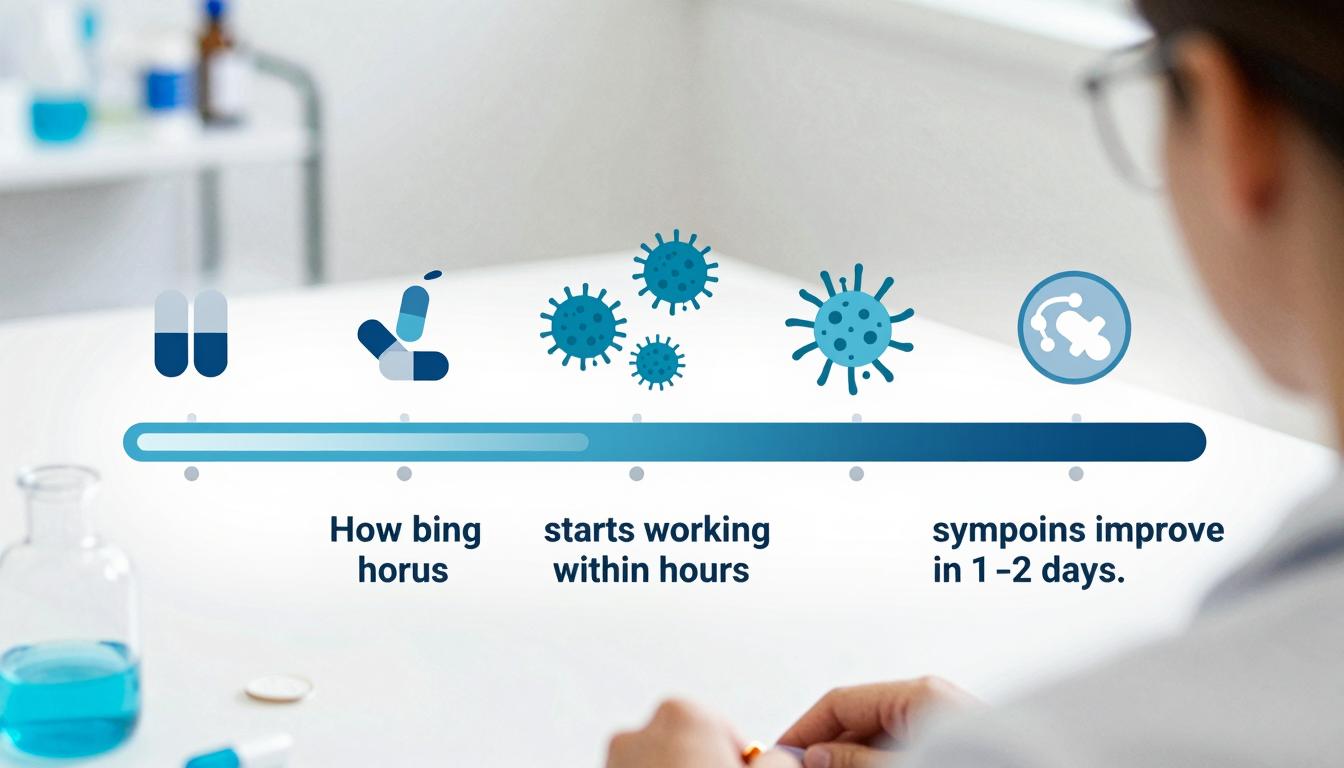
What Nitazoxanide Is Used For Nitazoxanide is used for the treatment of intestinal parasitic infections. The medication treats particular types of intestinal infections. The treatment becomes necessary when doctors suspect a parasitic cause for diarrhea which testing confirms. This treatment differs from standard antibiotics which target bacterial infections. The treatment focuses on particular pathogens. Nitazoxanide functions primarily as an antiparasitic drug but also exhibits antiviral effects under certain circumstances. Most people learn about the drug through its application in stomach infection treatment. The medical condition includes persistent watery diarrhea which does not stop and abdominal cramps and extreme exhaustion. The treatment exists for both adult and pediatric patients because some parasite infections affect both age groups. Kids become more vulnerable to parasite transmission because they frequently interact with other children in school daycare and playground settings. Adults can contract the infection through unsafe water and contaminated food during travel. The instructions contain essential information about dosage and medication form according to age and weight requirements. Pharmacists have a role here because people take it and expect instant relief. They also worry when symptoms do not stop right away. At Grant Pharmacy (grantpharmacy.com), patient counseling usually covers what the medicine is for, how to take it with meals, what side effects can happen, and when symptoms should start improving. Types of Parasites Nitazoxanide Targets The common understanding of nitazoxanide for parasite infections describes its use against protozoan infections. Protozoa are microscopic organisms that inhabit the human intestinal system. The two most common types of these organisms are Giardia and Cryptosporidium. These two pathogens lead to the medical condition of watery diarrhea which causes people to experience extreme dehydration. Giardia infection leads to greasy stools, which make people experience bloating, gas, cramps, and extreme fatigue. Some people say they cannot eat normally because everything upsets their stomach. Cryptosporidium infection causes watery diarrhea with cramps which become more difficult to control for people who have weak immune systems. The parasites create digestive system disturbances through their gut lining attacks. Their presence in the body creates problems which prevent the body from absorbing essential nutrients.  People experience physical weakness and loss of body fluids because of this situation. They lose fluids. They can lose their appetite. They can lose weight if it goes on long enough. Symptoms before treatment can look like simple stomach upset at first. Then it keeps going. Diarrhea continues. Cramps continue. The person feels tired and does not bounce back. That is when doctors often test stool. Accurate diagnosis matters. Nitazoxanide parasite infection treatment is meant for certain parasites. It is not meant for every reason for diarrhea. If someone has bacterial diarrhea, a different treatment may be needed. If someone has food intolerance or another gut problem, this medicine will not fix it.   How Parasites Produce Energy Parasites need energy the same way all living things do. They need energy to move, to attach, to grow, and to reproduce. Inside the body, they use nutrients from the gut environment. They basically live off what is available. They do not always use the same energy systems human cells use. Many intestinal parasites rely on special enzymes and pathways. These pathways help them turn nutrients into energy without oxygen, because the gut environment can be low in oxygen in some areas. Energy production is a big deal for parasite survival. If that stops, they cannot keep their cells running. They cannot repair damage. They cannot keep multiplying. A lot of antiparasitic medicines aim for this kind of weak spot. If you disrupt how a parasite makes energy, you do not have to “poison” everything. You just block what the parasite needs most.   Nitazoxanide’s Main Mechanism of Action The nitazoxanide mechanism of action is mainly about blocking parasite metabolism. In plain terms, it messes with the parasite’s ability to make energy. That is the key idea. People ask nitazoxanide how it works because they want a simple reason why it helps. Nitazoxanide interferes with enzymes that parasites need for energy production. When those enzymes are blocked, the parasite cannot produce energy normally. When energy production drops, the parasite slows down. It affects parasite growth and replication. Parasites need a lot of energy to keep multiplying. When energy is low, they cannot keep up. Over time, they die off or become unable to stay attached and active. Human cells are largely unaffected because our cells do not depend on the same exact parasite pathways. That is why nitazoxanide can target parasites more than human tissue. It is not “gentle” in the sense that it does nothing, but it is more selective than many people assume. So when you hear how does nitazoxanide kill parasites, the simple answer is that it causes an energy problem inside the parasite. Effect on Anaerobic Metabolism Anaerobic metabolism serves as the fundamental energy pathway for numerous gut parasites. The term anaerobic describes a condition that exists without oxygen. The organisms use this metabolic system to establish their presence and grow within the human digestive system. The PFOR pathway serves as a common topic of discussion because it utilizes the enzyme pyruvate:ferredoxin oxidoreductase. The pathway plays a crucial role in energy generation for organisms such as Giardia. The public wants to know about how nitazoxanide works against parasites because this specific element represents a crucial detail about the drug. Nitazoxanide blocks this pathway. The parasite loses its ability to absorb nutrients when the pathway gets disabled which leads to a decrease in energy production. People search for nitazoxanide nitazoxanide mechanism for giardia because of the common occurrence of Giardia and its persistent symptoms. Blocking that pathway causes an “energy crash” for the parasite. That energy crash does not always feel instant for the patient. The parasite’s activity decreases, then the body clears it gradually.   How Parasites Die After Treatment Parasites do not usually vanish overnight. When nitazoxanide disrupts energy production, the parasite cannot function normally. It cannot maintain the basic jobs in its cells. It cannot keep its structure stable. It cannot keep reproducing. Loss of energy leads to parasite death. It is not always dramatic. It is more like the parasite becomes weaker and stops thriving. Then it dies and is cleared from the intestines. The body’s immune system supports the cleanup. The gut lining also starts recovering. This is why some people feel better quickly, but their stool and appetite may take longer to become normal again. This is also why finishing the course matters. If the parasite is weakened but not fully cleared, it can come back or symptoms can linger.   How Quickly Nitazoxanide Works A common question is how long does nitazoxanide take to kill parasites. People want a day count. In many cases, symptom improvement starts within a couple of days. Diarrhea may reduce. Stomach cramps may ease. The person may feel less drained. But improvement can be uneven. Some days are better, then it flares a bit. That can happen while the gut is healing. It does not always mean treatment failed. Full courses must be completed, even if symptoms improve early. This is important. Stopping early is one reason infections can persist. A few things affect response time. The type of parasite matters. The level of dehydration matters. Whether the person is eating and taking the medicine with food matters. Other illnesses matter too. During nitazoxanide treatment, people should expect gradual improvement, not magic overnight clearing.   Safety and Selectivity of Nitazoxanide Nitazoxanide antiparasitic action is considered selective because it targets parasite systems more than human systems. That is part of why it is commonly used for short-term courses. Side effects can still happen. Common ones are stomach upset, nausea, headache, or a change in stool color. Some people feel a bit more tired. These effects are usually mild and go away after the course is finished. It is considered safe for short-term use when prescribed properly, including for children, but dosing must match age and weight. This is where pharmacist guidance is useful. Pharmacists at Grant Pharmacy (grantpharmacy.com) can help patients understand what is normal, what is not, and when to contact the prescriber.   Proper Use for Best Effectiveness Taking nitazoxanide with food is usually recommended. It helps absorption. It also reduces stomach upset for many people. This is a common point people miss. Follow the dosing schedule exactly. Don’t skip doses. If a dose is missed, follow the advice given by the prescriber or pharmacist. Do not double up without guidance. If symptoms worsen, or there is blood in stool, high fever, severe dehydration, or severe belly pain, the person should seek medical help. Not every gut problem is a simple parasite issue. Pharmacists help with correct use and practical tips. This is part of routine counseling. Key Takeaways for Patient Understanding How does nitazoxanide kill parasites comes down to energy failure. It blocks parasite pathways needed to make energy, especially in certain protozoa. That is the main idea behind the nitazoxanide mechanism of action. It is used for certain infections and not for everything. Nitazoxanide for parasites works best when the diagnosis is correct and the full course is taken. If someone wants a simple way to remember it, nitazoxanide parasite treatment how it works is that it stops the parasite from running its energy system, so the parasite cannot survive. Questions are normal. Confusion about dosing is common. If patients need help, they can ask Grant Pharmacy (grantpharmacy.com) for steady guidance during treatment.

How Long Does Premarin Stay in Your System?

How Long Does Premarin Stay in Your System?

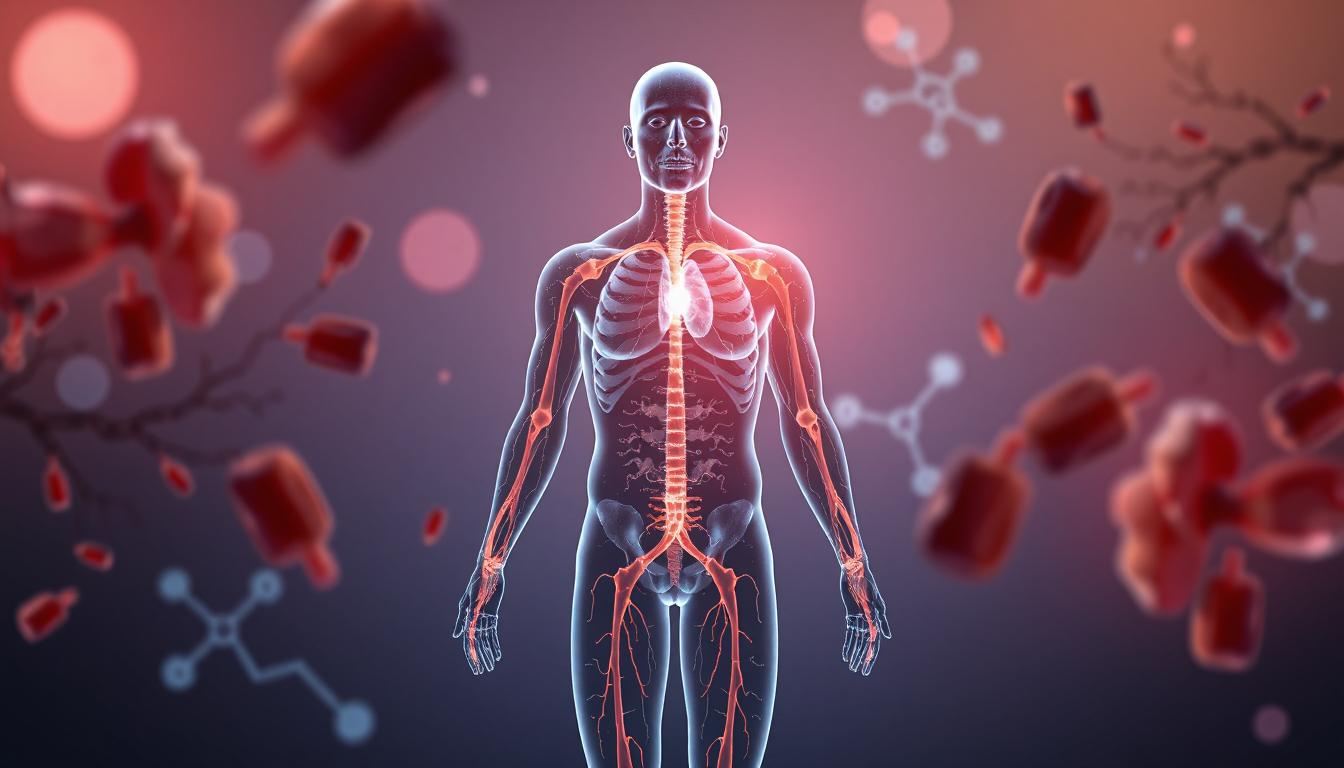
What Premarin Is and Why It Is Prescribed How long does Premarin stay in your system? can be answered first, then explained. For most people, the estrogen from Premarin begins to leave the body within 1 to 3 days after stopping, but small amounts of estrogen metabolites can remain for several more days. Hormonal effects may last longer than the drug itself. premarin is an estrogen hormone therapy made from conjugated estrogens. Premarin is prescribed when the body does not make enough estrogen on its own. It is commonly used for: menopausal symptoms such as hot flashes and night sweats vaginal atrophy and dryness certain hormone deficiencies estrogen replacement after ovary removal Premarin comes in different forms: oral tablets vaginal cream injections in some cases The form used matters when talking about how long it stays in the body. How Premarin Works in the Body Premarin works by replacing or supplementing estrogen. Estrogen affects many tissues, not just one system. Estrogen helps regulate: reproductive tissues vaginal and urinary tissues bones blood vessels parts of the brain When estrogen levels drop, symptoms appear. Premarin raises estrogen activity again. The strength and duration of effects depend on: dose route of use how long it has been taken This is why premarin pharmacokinetics can feel different from person to person. How Premarin Is Absorbed How Premarin is absorbed depends on the form used. Oral Premarin: absorbed through the digestive system processed by the liver first enters the bloodstream as active estrogen compounds Vaginal Premarin: acts mainly at the local tissue level much less enters the bloodstream systemic effects are lower Because of this, premarin how long in bloodstream is usually shorter with vaginal use than with oral tablets. Half-Life of Premarin Estrogens Premarin contains more than one estrogen compound. Each behaves slightly differently. In general: the premarin half life of active estrogens ranges from 12 to 24 hours metabolites may stay active longer full elimination requires multiple half-lives This means estrogen levels drop gradually, not all at once. How Long Premarin Stays in Your System For most people using oral Premarin: estrogen activity declines significantly within 1 to 3 days small amounts of metabolites may persist for several more days This means how long does premarin stay in your system is usually measured in days, not weeks.     For vaginal formulations: systemic estrogen levels are much lower clearance is usually faster local tissue effects may last longer than blood levels So premarin duration in body depends strongly on how it is used. How the Body Eliminates Premarin Premarin is metabolized mainly by the liver. This step is central to premarin metabolism. After liver processing: estrogen metabolites are excreted in urine some are excreted in bile and stool The body can reabsorb small amounts through a process called enterohepatic recycling. This can slightly prolong premarin clearance time, but usually only by a short amount. Healthy liver function supports normal clearance. Factors That Affect How Long It Stays in the Body Several factors influence premarin elimination time. These include: dose strength length of therapy liver function age body fat levels route of administration Estrogen can be temporarily stored in fat tissue. This does not mean the drug stays active, but it can slightly extend how long metabolites are detectable. Long-term users may notice hormonal changes last longer after stopping. Difference Between Drug Presence and Hormonal Effects This is an important distinction. The drug may leave the bloodstream, but: estrogen receptors stay activated for a time tissues adjust slowly symptoms may fade gradually This is why how long does premarin last in the body can feel longer than lab measurements suggest. Hormonal effects can continue even after estrogen levels drop. What Happens After Stopping Premarin After stopping Premarin: estrogen levels decline menopausal symptoms may return gradually vaginal symptoms may take longer to change Some people feel changes within days. Others take weeks. This depends on how long Premarin was used and individual hormone balance. Stopping suddenly versus tapering affects symptom return, but not true premarin elimination time. Side Effects and How Long They May Last Side effects from Premarin can include: breast tenderness nausea bloating fluid retention These effects usually improve within a few days after stopping. Hormonal side effects often resolve as estrogen levels decline. Persistent symptoms should be evaluated. When to Seek Medical or Pharmacy Guidance Guidance should be sought if: symptoms persist after stopping unusual bleeding occurs side effects do not resolve there are questions about switching hormone therapy Questions about how long does estrogen stay in your system premarin, stopping schedules, or formulation changes can be discussed with Sanford Pharmacy. Sanford Pharmacy can help explain hormone timing, review medications, and support safe use or discontinuation.     Key Points to Remember how long does premarin stay in your system: usually 1–3 days metabolites may persist for several days vaginal forms clear faster systemically hormone effects can last beyond drug presence liver metabolism plays a key role Premarin leaves the bloodstream relatively quickly, but the body’s response to estrogen changes more slowly. Understanding that difference helps set realistic expectations when starting, changing, or stopping estrogen therapy.

Best

Best
Quality

Price

Affordable
Price

Support

Accessible
Support

Fast Delivery

Fast
Delivery