






Order from our trusted online pharmacy and get cheap prescription drugs without any quality compromise. Buy from us and save your money with prescription drugs.


Lower back arthritis is often called lumbar osteoarthritis. Some people just call it wear-and-tear arthritis in the spine. It usually develops slowly over time. The cartilage between the joints in the lower back starts to thin out. That cartilage is supposed to act like a cushion. When it wears down, the bones move with less protection.
That is when stiffness and pain begin.
The pain does not usually show up overnight. It builds gradually. Many people notice it more as they get older. It can also feel worse if someone sits for long periods or does not move much during the day.
When people search for the best treatment for arthritis in lower back, they are usually dealing with that daily stiffness and soreness that does not fully go away.
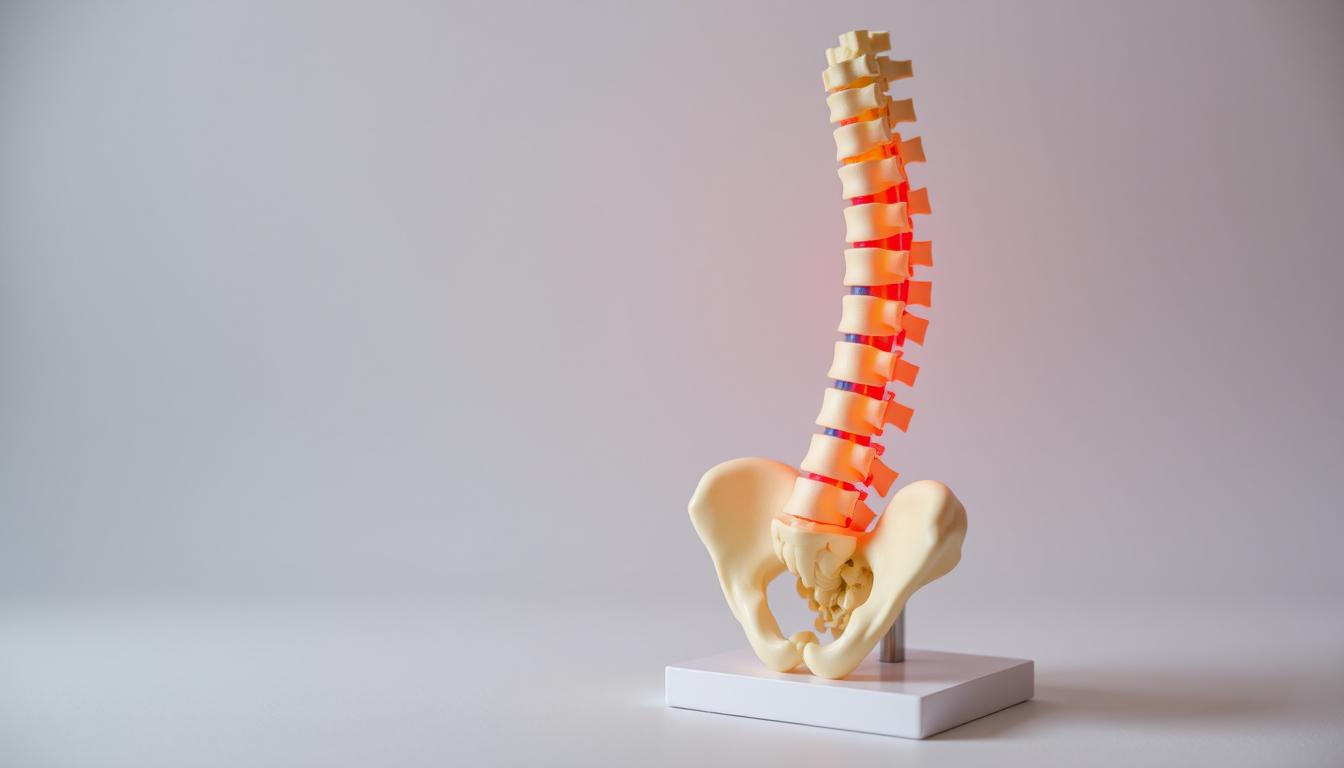
The pain is often dull and aching. It sits low in the back. It may spread slightly into the hips or buttocks, but it usually stays in the lower area.
Stiffness in the morning is common. After getting out of bed, the back may feel tight for 15 to 30 minutes. Gentle movement often improves it.
Another common pattern is pain after sitting too long. Standing up may feel stiff at first, then improve after walking.
In some cases, inflammation can affect nearby nerves. That may cause tingling, numbness, or pain going down the leg. That is not always present, but it can happen.
When people look up arthritis in lower back symptoms and treatment, these are usually the symptoms they recognize in themselves.
For most people, the first and most important part of lower back arthritis treatment is movement.
It does not mean intense exercise. It means regular, gentle activity.
Walking is one of the best starting points. It keeps the joints moving without putting too much pressure on them.
Swimming is also helpful because the water supports body weight.
Core strengthening is important. The muscles around the abdomen and lower back support the spine. When those muscles are weak, the joints take more stress. Strengthening them can reduce pressure on arthritic joints.
Stretching also helps. Tight hamstrings and hip muscles can pull on the lower back. Gentle stretching improves flexibility.
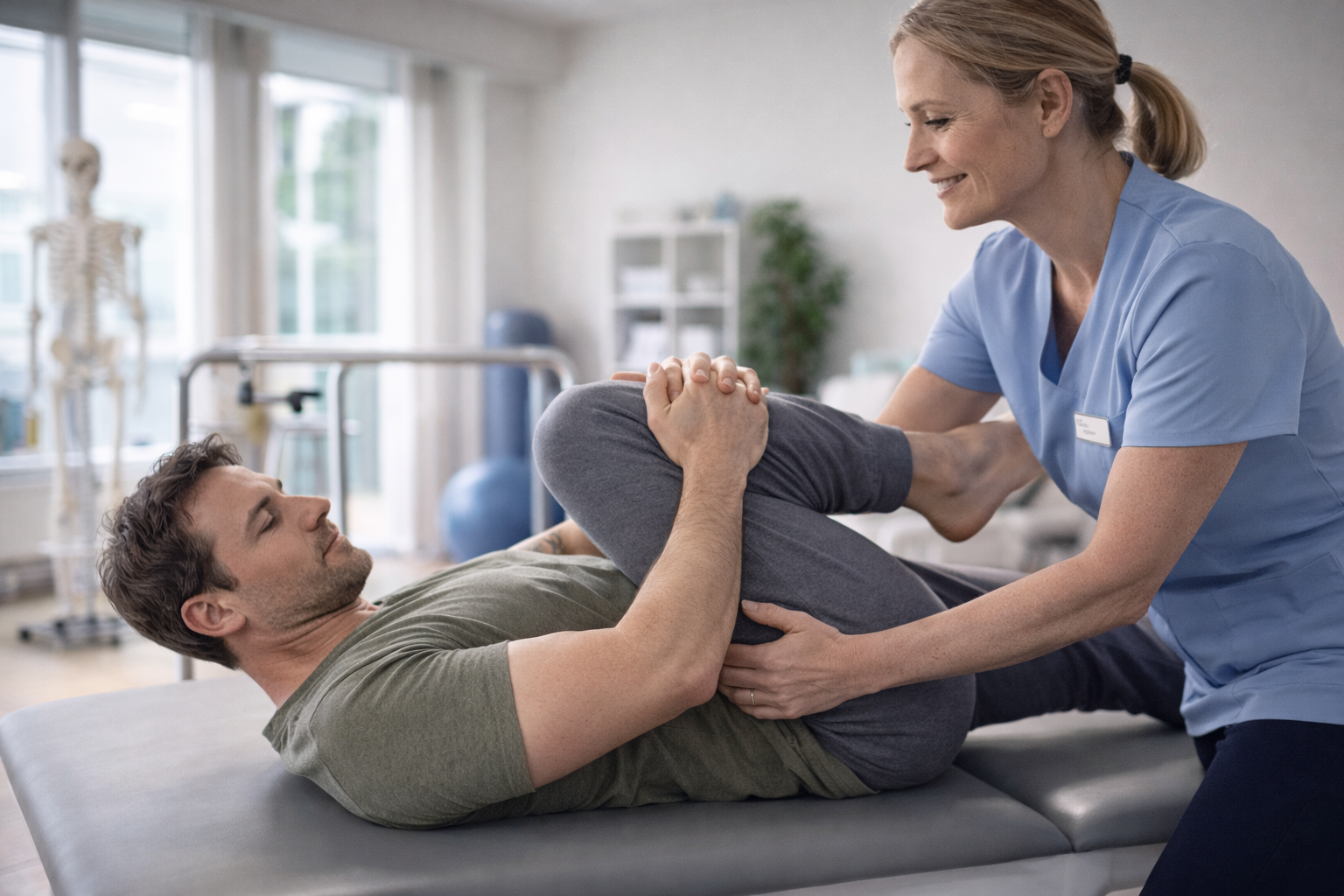
Many people benefit from physical therapy. A therapist can teach proper exercises for arthritis in lower back pain relief. These are not extreme exercises. They are controlled movements meant to support the spine.
Weight management matters too. Extra body weight adds pressure to the lower back. Even losing a small amount can reduce daily strain.
If someone asks how to treat arthritis in lower back, these steps are usually the foundation.
For mild pain, acetaminophen can help reduce discomfort.
NSAIDs like ibuprofen or naproxen reduce inflammation as well as pain. These are commonly used for lower back arthritis pain relief.
Topical treatments can also help. Creams or gels applied directly to the lower back may reduce soreness. Some contain anti-inflammatory medicine. Others create a warming or cooling feeling that distracts from pain.
These are often part of degenerative arthritis lower back treatment plans.
Medications should not be overused. Long-term NSAID use can affect the stomach, kidneys, or heart. Safe dosing advice is available at Grant Pharmacy (grantpharmacy.com) if someone needs guidance.
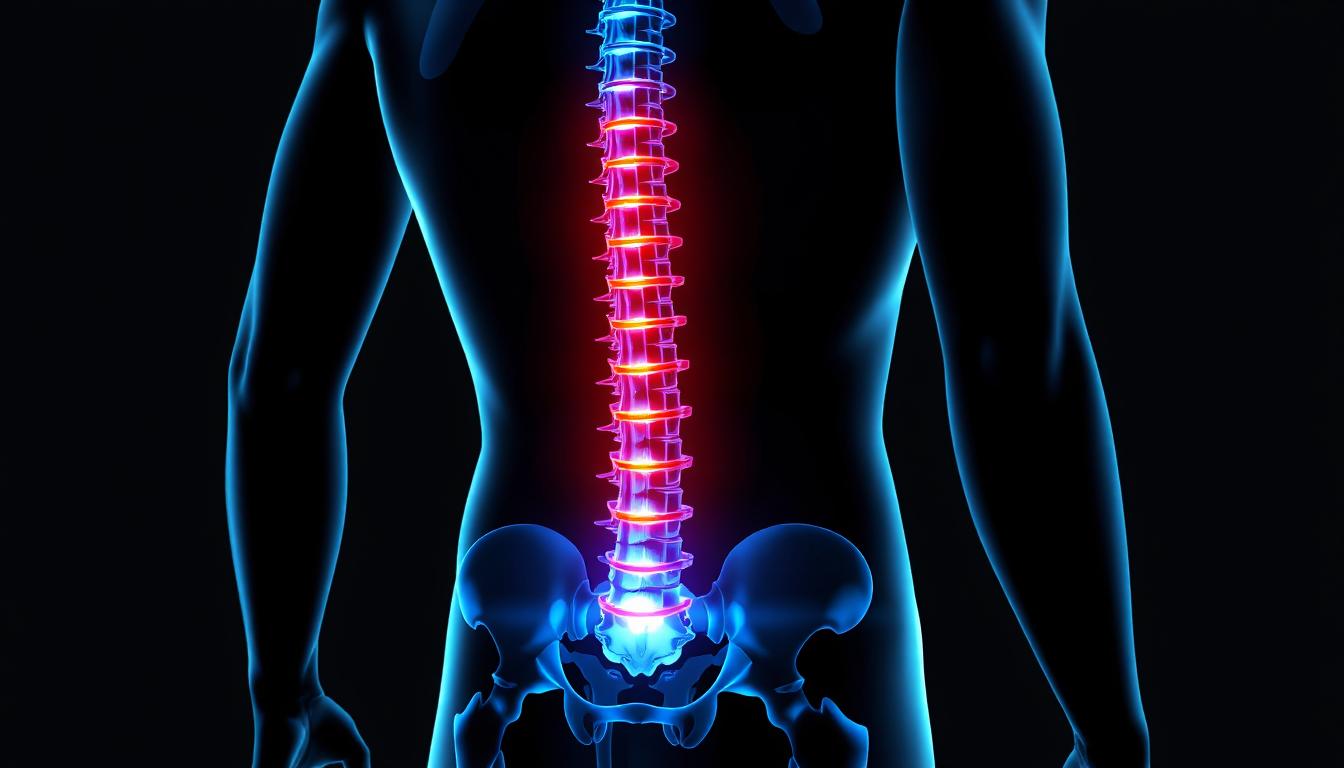
If over-the-counter options are not enough, doctors may prescribe stronger anti-inflammatory medications.
Muscle relaxants may be used short term if muscle spasms are contributing to pain.
Sometimes a short course of oral corticosteroids is prescribed to calm a flare-up.
These medications are not meant to be permanent solutions. They are used carefully and monitored.
Prescription treatment may be added to a broader lumbar arthritis treatment plan when pain interferes with daily function.
Heat is helpful for stiffness. A heating pad or warm shower can relax tight muscles.
Cold packs are useful when inflammation is higher, especially after activity.
Some people use supportive braces. These should only be used if recommended. Overuse can weaken muscles.
Massage therapy may reduce muscle tension around the spine.
When people ask how to relieve lower back arthritis pain at home, heat, gentle movement, and posture correction are often part of the answer.
If pain continues despite conservative treatment, injections may be considered.
Corticosteroid injections into affected joints can reduce inflammation. Relief may last weeks or sometimes months.
Nerve block injections may also help if nerve irritation is involved.
These are not cures. They are used when other treatments are not enough.
Some people look for natural remedies for lower back arthritis.
Acupuncture may help some individuals manage pain.
Yoga or tai chi can improve flexibility and balance when done gently.
Chiropractic care may help selected patients, but it should be discussed first.
Mind-body approaches like controlled breathing or relaxation can reduce muscle tension.
Any new therapy should be discussed with a healthcare provider before starting.
Surgery is usually a last step.
It may be considered if there is severe nerve compression causing weakness or loss of function.
Structural instability in the spine may also require surgery.
Most people with lower back arthritis do not need surgery.
When someone asks what is the best treatment for arthritis in the lower back, surgery is rarely the first recommendation.
Lower back arthritis is usually managed long term. It does not completely disappear.
Staying active is important. Long periods of bed rest usually make stiffness worse.
Good posture matters. Supportive seating helps.
Monitor medication side effects.
Regular check-ins with healthcare providers help adjust treatment when needed.
If someone has questions about medications, dosing, or managing symptoms safely, pharmacists at Grant Pharmacy (grantpharmacy.com) can provide guidance.