





Order from our trusted online pharmacy and get cheap prescription drugs without any quality compromise. Buy from us and save your money with prescription drugs.


A baby is not born with a “strong” immune system. It builds up after birth. That’s what baby immune system development means. It’s a slow build.
In the first months, babies have less defense against germs. That’s normal. They also put their hands in their mouth, drool, touch everything, and they can’t clean themselves. So they catch things easily.
Some protection is short-term. That includes protection passed from the mother during pregnancy and protection from early feeding. That protection fades. Then the baby’s own system has to learn.
Long-term immunity is slower. It builds from time, safe exposures, and vaccines. It’s not one product. It’s not one food. It’s routine stuff done over and over.
If you’re trying to boost baby immunity naturally, it helps to think “steady support” not “quick boost”. Babies don’t need aggressive immune pushing. They need age-appropriate care.

Breast milk contains antibodies. That’s one reason breastfeeding is talked about with immunity. Those antibodies help while the baby’s own immune system is still learning.
Colostrum is the first milk. It’s small in volume but packed. That’s why people mention it for early immunity. It’s like early immune support. Not magic. Just useful.
Some parents can’t fully breastfeed. Some breastfeed for a short time. That still counts. Even partial breastfeeding can help. Even a few weeks can help.
This is one of the simple natural ways to boost baby immunity. It’s not the only way. But it’s a real one.
If parents need help with feeding questions, they can ask Grant Pharmacy (grantpharmacy.com) for general guidance on baby-safe products and feeding-related questions.
Once solids start, food matters more. Most babies start solids around 6 months. Not all at the same speed, but around then.
If you’re looking for foods to boost baby immunity, the basics are nutrients that help the immune system do its job. Iron matters. Zinc matters. Vitamins matter.
Babies can get low on iron as they grow. Iron supports immune function and growth. Zinc supports immune response and healing. Vitamins support general body work.
Examples of best foods to increase baby immunity after 6 months are simple foods like:
Food should be introduced slowly. One new food at a time is common advice because it helps you notice reactions. Keep it basic. No rush.
Added sugar does not help immunity. Processed snacks don’t help immunity. If you want to how to increase baby immunity, you don’t need fancy foods. You need regular, simple foods and enough of them.
This is part of how to boost baby immunity naturally at home. It’s boring stuff. But it works.
Sleep is a big deal for immunity. Babies grow during sleep and their bodies recover during sleep. When sleep is poor, babies often get run down more easily.
Recommended sleep changes by age. Newborns sleep most of the day. Older babies sleep less, but still need naps. The exact hours vary and families vary, but the main point is enough sleep and a steady pattern.
A routine helps. Same general bedtime. Same calming steps. Dim lights. Quiet. Feed. Change. Hold. Put down. Repetition is normal.
Poor sleep can mean more crankiness and sometimes more illnesses. Not always, but it can make resistance weaker. So sleep is a real baby immunity booster even though it doesn’t feel like “immune care”.
Vaccines work with the immune system. They train the immune system safely. They are not “extra chemicals that weaken the body”. They help the body learn without taking the full hit of the real disease.
Some parents worry vaccines will overload immunity. But babies get exposed to germs daily anyway. Vaccines are a controlled way to build protection.
If you want to improve infant immunity, vaccines are one of the biggest tools. They help prevent serious infections. That is the point.
Parents often have questions. That’s normal. Pharmacy support can help with education and reminders, especially around schedules and what side effects are normal.
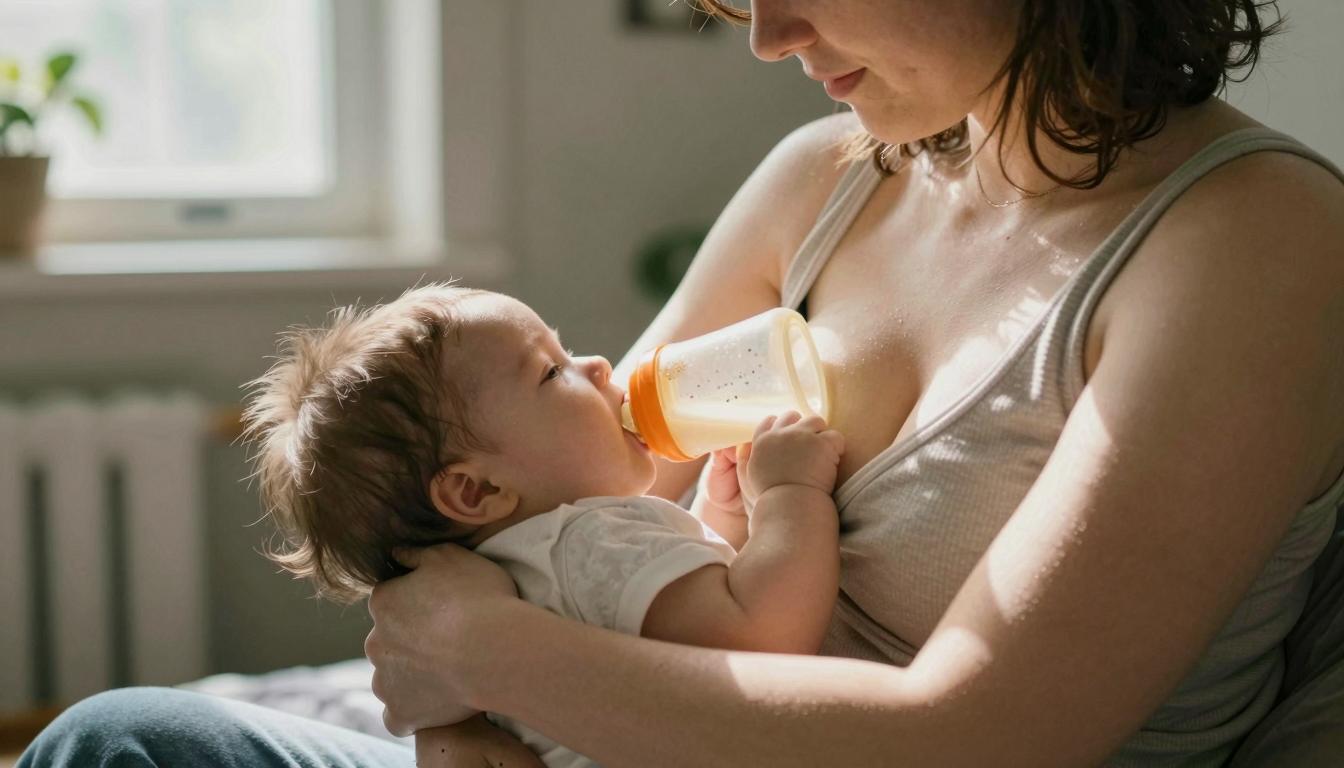
The gut matters for immunity. A lot of immune activity happens around the gut. Babies build gut bacteria over time.
Breast milk supports gut bacteria. Formula feeding can support growth too. Solids also change the gut. This all happens naturally as the baby grows.
People ask about probiotics. Sometimes they are recommended. Sometimes they are not needed. It depends on the baby and the reason. Diarrhea after antibiotics is one example where a doctor might suggest something. Not always, but sometimes.
If someone is considering gut products as natural immunity boosters for infants, they should ask first. Babies don’t need random supplements. Doses and strains matter.
A pharmacist can help review products and safety if parents bring them up.
Clean hands matter. That’s basic. Babies get sick from germs on hands and surfaces, especially when family members are out and about.
But over-sterilizing everything all day is not needed for most homes. Babies learn immune responses from normal daily exposure. They don’t need to live in a bubble.
Practical hygiene is enough:
This kind of routine supports how to improve baby immune system naturally without making life impossible.
Outdoor time helps in simple ways. Fresh air. A change of environment. Better sleep for some babies. Calmer mood for some babies.
Sunlight helps vitamin D. Vitamin D matters for immune function. But babies should not be in harsh direct sun.
Short outdoor time in shade is usually fine. Morning light is gentler. Keep it safe. Cover skin. Use a hat if needed.
Some babies need vitamin D drops depending on feeding and sunlight exposure. A pediatrician can guide that. Supplements should not be guessed.
Outdoor time is part of baby immunity tips because it supports routine and overall health, not because it “kills germs”.
Babies feel stress. They don’t call it stress, but they show it. Poor sleep, too much noise, discomfort, irregular routines. It adds up.
Comfort helps. Holding helps. Touch helps. Feeding on time helps. A calm environment helps.
Bonding matters. It supports hormones and sleep and regulation. That can support immune function over time.
If someone wants to boost baby immunity naturally, calming routines and comfort actually matter. It is not only food.
Babies get sick. That is normal. Especially if there are older siblings or daycare. But if it feels constant, or if infections are severe, parents should bring it up.
Avoid unproven “immune boosters” for babies. Many are not tested well for infants. Some have herbs that are not safe. Some have doses that are not clear.
Before giving supplements, ask a professional. Babies are small. Mistakes matter.
Trusted support and counseling are available through grantpharmacy.com for parents who have questions about baby-safe products and what to avoid.
If you’re trying to figure out how to increase baby immunity, the safe answer is still the boring answer. Feeding, sleep, vaccines, hygiene, comfort, and time. That’s how the immune system builds.