







Order from our trusted online pharmacy and get cheap prescription drugs without any quality compromise. Buy from us and save your money with prescription drugs.


Nitazoxanide is used for the treatment of intestinal parasitic infections. The medication treats particular types of intestinal infections. The treatment becomes necessary when doctors suspect a parasitic cause for diarrhea which testing confirms. This treatment differs from standard antibiotics which target bacterial infections. The treatment focuses on particular pathogens.
Nitazoxanide functions primarily as an antiparasitic drug but also exhibits antiviral effects under certain circumstances. Most people learn about the drug through its application in stomach infection treatment. The medical condition includes persistent watery diarrhea which does not stop and abdominal cramps and extreme exhaustion.
The treatment exists for both adult and pediatric patients because some parasite infections affect both age groups. Kids become more vulnerable to parasite transmission because they frequently interact with other children in school daycare and playground settings. Adults can contract the infection through unsafe water and contaminated food during travel.
The instructions contain essential information about dosage and medication form according to age and weight requirements. Pharmacists have a role here because people take it and expect instant relief. They also worry when symptoms do not stop right away. At Grant Pharmacy (grantpharmacy.com), patient counseling usually covers what the medicine is for, how to take it with meals, what side effects can happen, and when symptoms should start improving.
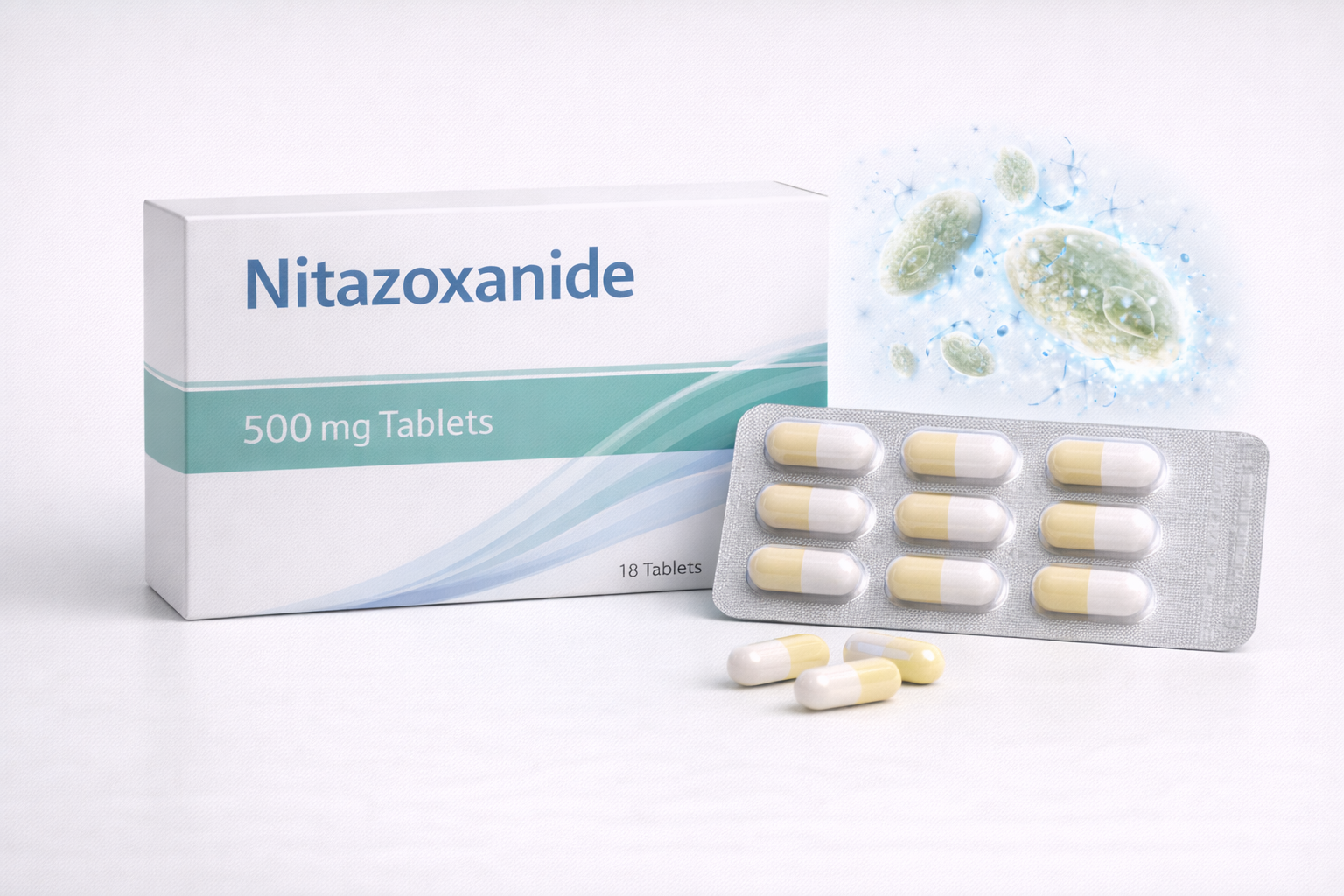
The common understanding of nitazoxanide for parasite infections describes its use against protozoan infections. Protozoa are microscopic organisms that inhabit the human intestinal system. The two most common types of these organisms are Giardia and Cryptosporidium. These two pathogens lead to the medical condition of watery diarrhea which causes people to experience extreme dehydration.
Giardia infection leads to greasy stools, which make people experience bloating, gas, cramps, and extreme fatigue. Some people say they cannot eat normally because everything upsets their stomach. Cryptosporidium infection causes watery diarrhea with cramps which become more difficult to control for people who have weak immune systems.
The parasites create digestive system disturbances through their gut lining attacks. Their presence in the body creates problems which prevent the body from absorbing essential nutrients. People experience physical weakness and loss of body fluids because of this situation. They lose fluids. They can lose their appetite. They can lose weight if it goes on long enough.
Symptoms before treatment can look like simple stomach upset at first. Then it keeps going. Diarrhea continues. Cramps continue. The person feels tired and does not bounce back. That is when doctors often test stool.
Accurate diagnosis matters. Nitazoxanide parasite infection treatment is meant for certain parasites. It is not meant for every reason for diarrhea. If someone has bacterial diarrhea, a different treatment may be needed. If someone has food intolerance or another gut problem, this medicine will not fix it.
Parasites need energy the same way all living things do. They need energy to move, to attach, to grow, and to reproduce. Inside the body, they use nutrients from the gut environment. They basically live off what is available.
They do not always use the same energy systems human cells use. Many intestinal parasites rely on special enzymes and pathways. These pathways help them turn nutrients into energy without oxygen, because the gut environment can be low in oxygen in some areas.
Energy production is a big deal for parasite survival. If that stops, they cannot keep their cells running. They cannot repair damage. They cannot keep multiplying.
A lot of antiparasitic medicines aim for this kind of weak spot. If you disrupt how a parasite makes energy, you do not have to “poison” everything. You just block what the parasite needs most.
The nitazoxanide mechanism of action is mainly about blocking parasite metabolism. In plain terms, it messes with the parasite’s ability to make energy. That is the key idea.
People ask nitazoxanide how it works because they want a simple reason why it helps. Nitazoxanide interferes with enzymes that parasites need for energy production. When those enzymes are blocked, the parasite cannot produce energy normally. When energy production drops, the parasite slows down.
It affects parasite growth and replication. Parasites need a lot of energy to keep multiplying. When energy is low, they cannot keep up. Over time, they die off or become unable to stay attached and active.
Human cells are largely unaffected because our cells do not depend on the same exact parasite pathways. That is why nitazoxanide can target parasites more than human tissue. It is not “gentle” in the sense that it does nothing, but it is more selective than many people assume.
So when you hear how does nitazoxanide kill parasites, the simple answer is that it causes an energy problem inside the parasite.
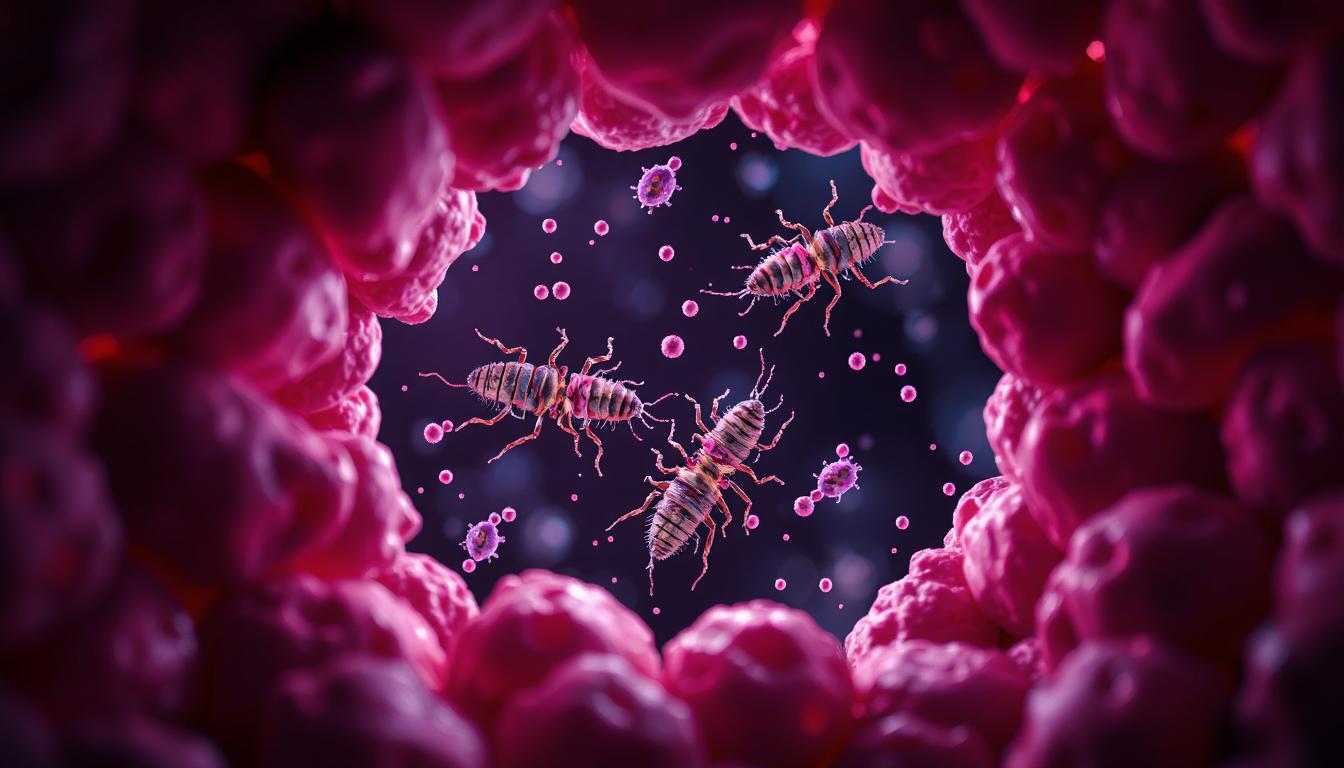
Anaerobic metabolism serves as the fundamental energy pathway for numerous gut parasites. The term anaerobic describes a condition that exists without oxygen. The organisms use this metabolic system to establish their presence and grow within the human digestive system.
The PFOR pathway serves as a common topic of discussion because it utilizes the enzyme pyruvate:ferredoxin oxidoreductase. The pathway plays a crucial role in energy generation for organisms such as Giardia.
The public wants to know about how nitazoxanide works against parasites because this specific element represents a crucial detail about the drug. Nitazoxanide blocks this pathway. The parasite loses its ability to absorb nutrients when the pathway gets disabled which leads to a decrease in energy production.
People search for nitazoxanide nitazoxanide mechanism for giardia because of the common occurrence of Giardia and its persistent symptoms. Blocking that pathway causes an “energy crash” for the parasite.
That energy crash does not always feel instant for the patient. The parasite’s activity decreases, then the body clears it gradually.
Parasites do not usually vanish overnight. When nitazoxanide disrupts energy production, the parasite cannot function normally. It cannot maintain the basic jobs in its cells. It cannot keep its structure stable. It cannot keep reproducing.
Loss of energy leads to parasite death. It is not always dramatic. It is more like the parasite becomes weaker and stops thriving. Then it dies and is cleared from the intestines.
The body’s immune system supports the cleanup. The gut lining also starts recovering. This is why some people feel better quickly, but their stool and appetite may take longer to become normal again.
This is also why finishing the course matters. If the parasite is weakened but not fully cleared, it can come back or symptoms can linger.
A common question is how long does nitazoxanide take to kill parasites. People want a day count. In many cases, symptom improvement starts within a couple of days. Diarrhea may reduce. Stomach cramps may ease. The person may feel less drained.
But improvement can be uneven. Some days are better, then it flares a bit. That can happen while the gut is healing. It does not always mean treatment failed.
Full courses must be completed, even if symptoms improve early. This is important. Stopping early is one reason infections can persist.
A few things affect response time. The type of parasite matters. The level of dehydration matters. Whether the person is eating and taking the medicine with food matters. Other illnesses matter too.
During nitazoxanide treatment, people should expect gradual improvement, not magic overnight clearing.
Nitazoxanide antiparasitic action is considered selective because it targets parasite systems more than human systems. That is part of why it is commonly used for short-term courses.
Side effects can still happen. Common ones are stomach upset, nausea, headache, or a change in stool color. Some people feel a bit more tired. These effects are usually mild and go away after the course is finished.
It is considered safe for short-term use when prescribed properly, including for children, but dosing must match age and weight. This is where pharmacist guidance is useful.
Pharmacists at Grant Pharmacy (grantpharmacy.com) can help patients understand what is normal, what is not, and when to contact the prescriber.
Taking nitazoxanide with food is usually recommended. It helps absorption. It also reduces stomach upset for many people. This is a common point people miss.
Follow the dosing schedule exactly. Don’t skip doses. If a dose is missed, follow the advice given by the prescriber or pharmacist. Do not double up without guidance.
If symptoms worsen, or there is blood in stool, high fever, severe dehydration, or severe belly pain, the person should seek medical help. Not every gut problem is a simple parasite issue.
Pharmacists help with correct use and practical tips. This is part of routine counseling.

How does nitazoxanide kill parasites comes down to energy failure. It blocks parasite pathways needed to make energy, especially in certain protozoa. That is the main idea behind the nitazoxanide mechanism of action.
It is used for certain infections and not for everything. Nitazoxanide for parasites works best when the diagnosis is correct and the full course is taken.
If someone wants a simple way to remember it, nitazoxanide parasite treatment how it works is that it stops the parasite from running its energy system, so the parasite cannot survive.
Questions are normal. Confusion about dosing is common. If patients need help, they can ask Grant Pharmacy (grantpharmacy.com) for steady guidance during treatment.