







Order from our trusted online pharmacy and get cheap prescription drugs without any quality compromise. Buy from us and save your money with prescription drugs.


Erythromycin eye ointment is an antibiotic that goes in the eye. It is used for bacterial infections. It does not treat viral pink eye. That is important. If the infection is viral, this ointment will not fix it.
The main reason it is prescribed is conjunctivitis caused by bacteria. That is when the eye looks red, feels irritated, and may have yellow or thick discharge. Sometimes the eyelids stick together in the morning.
It is also used for newborn babies right after birth. In that case, it is used to prevent certain infections that can affect the eyes during delivery.
When people look up erythromycin ophthalmic ointment uses, that is usually what they will find. Bacterial pink eye. Sometimes other mild surface infections.
It works by stopping bacteria from multiplying. It does not instantly clear the redness. It slows the bacteria down so your body can clear the infection.
It is prescription only. If you need help reviewing directions or dosing, that can be done at Grant Pharmacy (grantpharmacy.com).
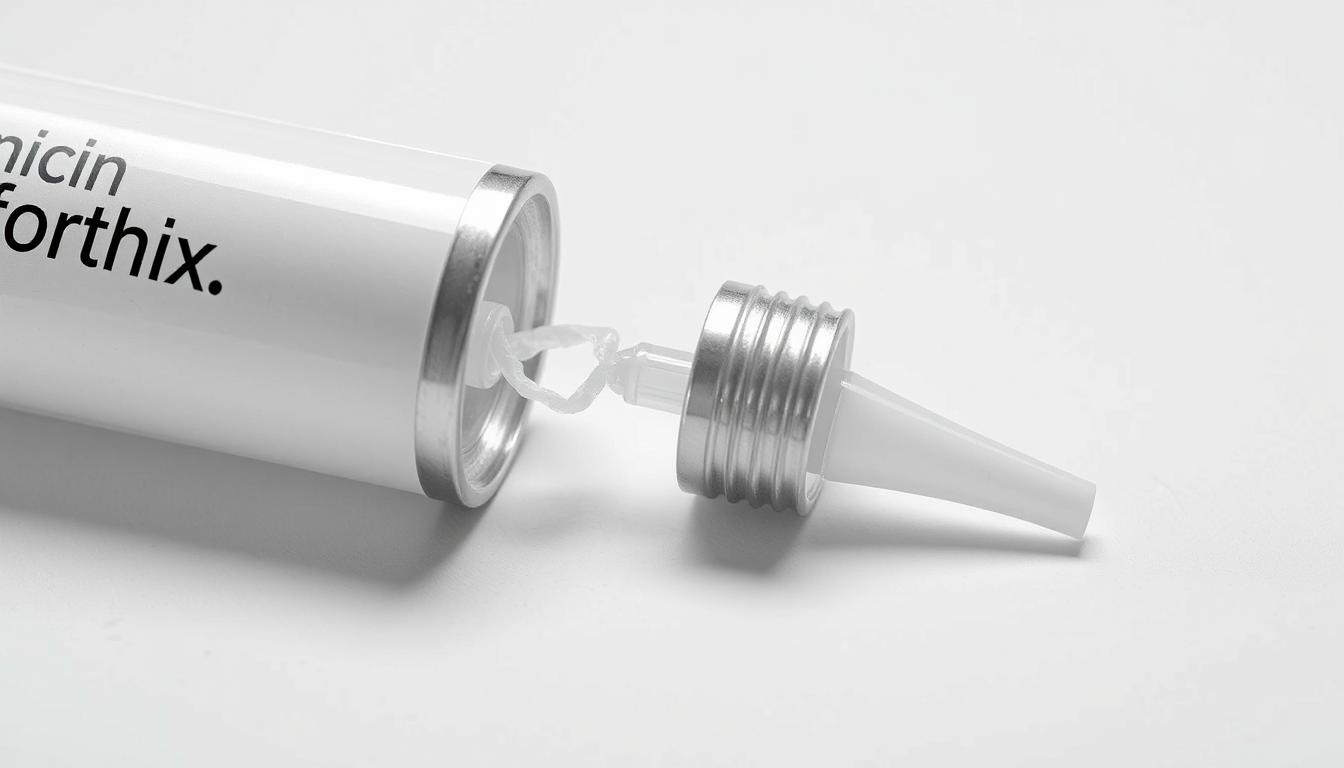
Before learning how to apply erythromycin ophthalmic ointment, start simple. Wash your hands. Soap and water. Dry them fully.
If you wear contact lenses, take them out unless your doctor told you something different. Most of the time, contacts should not be worn during an infection.
If there is crust or discharge, gently wipe it away first. Use sterile gauze or a clean cotton pad. Do not rub hard. Just soften and wipe.
Look at the tube. Check the expiration date. Check the label. Make sure it is yours and not someone else’s. Make sure you know how many times a day you are supposed to use it.
A lot of people ask how to use erythromycin eye ointment because eye ointment feels awkward at first.
Sit down or stand in front of a mirror.
Tilt your head back slightly.
Look up toward the ceiling.
With one hand, gently pull down your lower eyelid. This creates a small pocket. That pocket is where the ointment goes.
Hold the tube in your other hand. Bring it close to the eye, but do not let the tip touch your eye, your lashes, or your skin. If it touches, germs can get on the tube.
Squeeze a thin ribbon of ointment into that lower eyelid pocket. Usually about half an inch. Your label will show the correct erythromycin eye ointment dosage.
Once the ribbon is in, close your eye gently. Do not squeeze tight. Just close it normally.
Keep it closed for about one to two minutes. This helps the medicine spread.
That is basically step by step how to apply erythromycin eye ointment.
If you are still unsure about how to put eye ointment in eye, it can take a couple of tries to feel comfortable. It is normal for it to feel strange the first time.

Your vision will probably be blurry for a while. That is normal. It is thick ointment, not drops.
Do not blink hard over and over. Do not rub your eye.
If some ointment leaks out, gently wipe the excess from your eyelids with a clean tissue.
Wash your hands again after applying.
If your doctor told you to treat both eyes, repeat the same process in the other eye. If you are unsure and wondering can you use erythromycin eye ointment in both eyes, check your prescription label or ask before doing it.
Follow your prescription exactly.
Some people are told to use it four times a day. Some three times. It depends on the infection.
If you are asking how often to apply erythromycin ophthalmic ointment, the only correct answer is what your label says.
Try to space doses evenly during the day. Morning, midday, evening, bedtime is common if using four times daily.
Keep using it for the full number of days prescribed. Even if redness improves in a couple of days, do not stop early.
If you are wondering how long to use erythromycin ophthalmic ointment, that depends on what your doctor prescribed. Usually several days to about a week.
Stopping early can allow bacteria to come back.
If you forget, apply it when you remember.
If it is almost time for your next scheduled dose, skip the missed one.
Do not put in extra ointment to “catch up.” That does not help and can irritate the eye.
Then continue your regular schedule.
If you are also using eye drops, use drops first.
Wait at least five minutes after drops before using ointment.
Ointment usually goes last because it is thick and can block other medicines from absorbing if used first.
If you are unsure about timing or mixing products, ask before combining them.
Mild stinging can happen right after applying.
The eye may feel slightly irritated at first.
Vision will be blurry for a short time. That is expected.
These usually pass quickly.
If irritation becomes severe or does not settle, that should be checked.
Do not share your eye ointment with anyone else.
Do not use someone else’s eye medication.
Keep the tube tip clean. Always recap it tightly.
Avoid wearing contact lenses during active infection unless your provider says it is safe.
Store it at room temperature unless otherwise directed.
Do not use it past the expiration date.

If the redness gets worse instead of better after a couple of days, contact your provider.
If there is severe eye pain, increased swelling, or changes in vision, seek medical care.
If you notice a rash, severe itching, or swelling around the eye that seems unusual, that could be a reaction and needs attention.
If you are unsure about erythromycin ophthalmic ointment instructions, the correct dose, or how to apply it properly, pharmacists at Grant Pharmacy (grantpharmacy.com) can review the technique with you and answer questions.
Using erythromycin eye ointment is mostly about clean hands, proper placement, and staying consistent with dosing. It may feel awkward at first, but once you do it a couple of times, it becomes easier. Keep the routine steady. Use it for the full course. Watch for improvement over a few days. If things are not improving or are getting worse, get checked.