







Order from our trusted online pharmacy and get cheap prescription drugs without any quality compromise. Buy from us and save your money with prescription drugs.


Steak can be consumed during a weight loss diet when it is eaten in small amounts and prepared using healthy cooking methods. The food contains high protein content which helps maintain satiety while supporting muscle preservation during weight loss. The main point requires you to select lean cuts and control your serving sizes while you should stay away from cooking methods that increase calorie content.
A lot of people assume steak automatically means “too heavy” or “not diet-friendly,” but that’s not always the case. It depends more on how it’s used in your overall diet than the food itself.

One of the main reasons steak fits into a weight loss plan is its protein content.
The body maintains satiety from protein sources for a longer duration than from carbohydrates or fats. After eating a steak-based meal, you will experience less hunger and snack cravings for a longer time. The single factor has the potential to bring about long-term changes.
It also helps maintain lean muscle mass, which is important when you’re eating fewer calories. Losing weight isn’t just about dropping numbers on a scale — it’s about preserving muscle while reducing fat.
There exists a minimal impact on metabolism. The body needs additional energy for protein digestion than it requires for processing other nutrients. The impact starts small but it continues to accumulate throughout the duration.
Most people find that eating protein-rich meals during their daytime hours helps them better control their food cravings for later times. The process becomes easier for people when they need to maintain their calorie deficit.
Not all steak is the same. Some cuts are much higher in fat and calories than others.
If the goal is weight loss, it helps to go for leaner options such as:
These cuts still provide protein, but with less added fat.
The fat content of ribeye and T-bone cuts increases their calorie count, which makes them different from other cuts. The foods are not unhealthy but their frequent consumption will lead to weight gain because they increase your daily calorie intake. The process of trimming visible fat before cooking foods provides a basic method that helps to decrease total calorie intake.
This is probably the part that matters most.
Even healthy foods can work against weight loss if the portions are too large.
A typical recommended portion of steak is around 85 to 120 grams (about 3 to 4 ounces). That’s smaller than what many restaurant servings look like, so it’s easy to underestimate.
Larger portions can quickly increase calorie intake without you realizing it.
The meal achieves its optimal balance through the combination of steak which she serves with both vegetables and a basic salad. The addition of fries or creamy sides will increase the meal's calorie count which creates an imbalance in the dining experience.
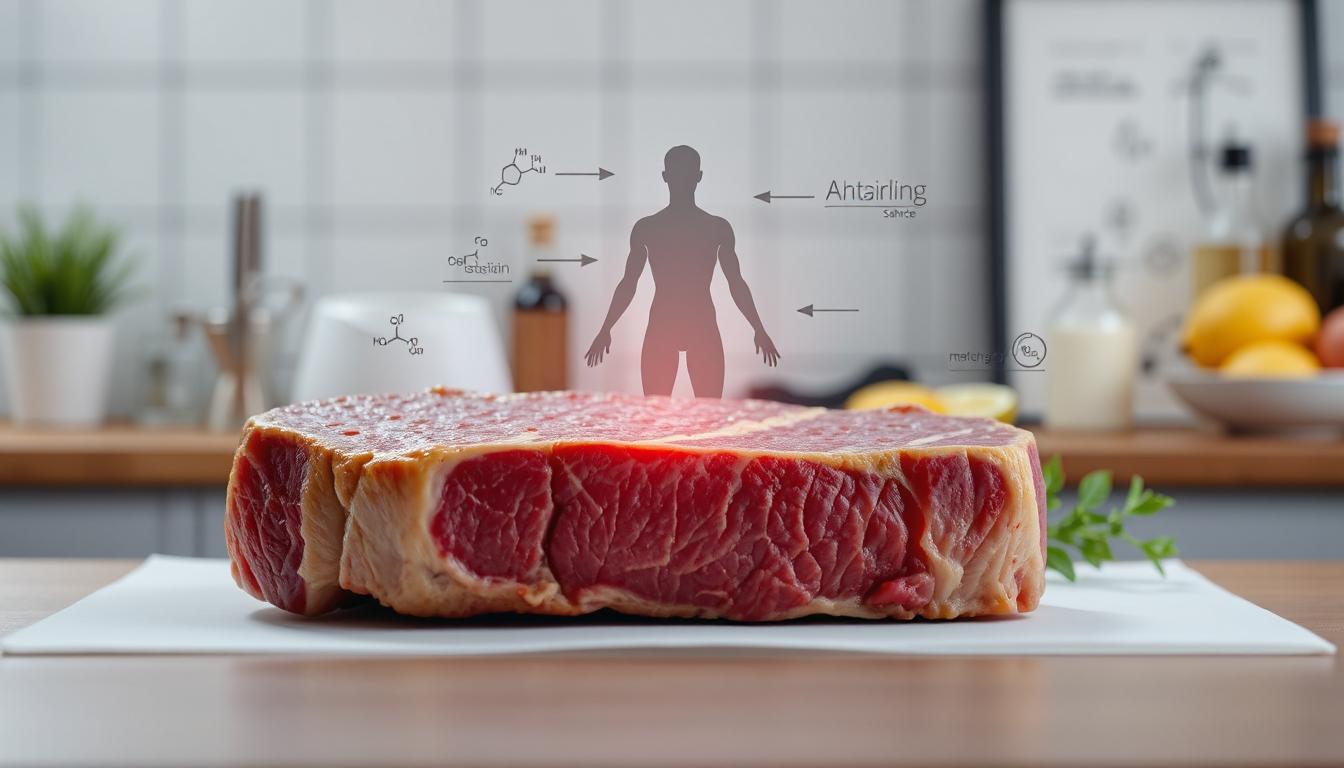
How steak is prepared can change its calorie content quite a bit.
Grilling, baking, or pan-searing with minimal oil are usually better options if you’re trying to keep things lighter.
Cooking methods that rely on a lot of butter, oil, or deep frying can add a surprising number of extra calories.
Instead of heavy sauces, using herbs, spices, or simple marinades can add flavor without making the meal overly rich.
Sometimes it’s not the steak itself — it’s what’s added during cooking that makes the biggest difference.
There are situations where steak might not support weight loss as well.
For example:
In those cases, even though steak can be part of a healthy diet, it may not fit well into a calorie deficit.
Steak can absolutely be included, but balance matters.
It’s helpful to rotate different protein sources instead of relying on one. That might include chicken, fish, eggs, or plant-based options like legumes.
Combining steak with fiber-rich foods — vegetables, whole grains, salads — can improve fullness and help control overall calorie intake.
People lose weight through their ability to sustain a calorie deficit during an extended period.
No food item decides the result because multiple factors work together to create an outcome.
Steak isn’t just about protein.
It also provides important nutrients like:
These nutrients support energy levels, immune function, and overall health.
In light of increased protein demands, steaks would be a convenient choice for meeting this particular need and not promoting unnecessary weight gain.
In the end, weight loss depends on the bigger picture.
It’s about overall eating patterns, portion sizes, consistency, and lifestyle — not just whether one specific food is “good” or “bad.”
If you’re unsure how to include foods like steak in your diet, getting guidance can help. Pharmacists and healthcare professionals at Grant Pharmacy often assist with general wellness questions and balanced nutrition advice.
You can also explore additional resources at grantpharmacy.com for practical health guidance and support.
Steak can fit into a weight loss plan — it just needs to be part of a balanced, consistent approach rather than the focus of it.