







Order from our trusted online pharmacy and get cheap prescription drugs without any quality compromise. Buy from us and save your money with prescription drugs.


Premature birth means the baby is born early. Before 37 weeks. A normal pregnancy is about 40 weeks. So the baby misses some time in the womb that is meant for growth.
Doctors talk about gestational age. That just means how many weeks the pregnancy lasted. The earlier the birth, the more likely there are issues. A baby born at 35 weeks is different from a baby born at 28 weeks. Both are premature, but the risks are not the same.
Organs develop late in pregnancy. Lungs, brain, gut, immune system. A baby born early may have these organs working, but not fully ready. That is why risks of premature birth are talked about so much.
Early birth can affect health right away and sometimes later too. Some things improve as the baby grows. Some things need more follow-up. Premature babies often need NICU care and careful medicine use. They are small. Doses are small. Timing matters.

Breathing trouble is one of the most common premature baby complications. Lungs are often not ready. Babies may breathe fast, breathe with effort, or need support.
Respiratory distress syndrome happens when the lungs don’t have enough surfactant. Surfactant helps keep the air sacs open. Without it, the lungs collapse easily and breathing is hard.
Another issue is apnea of prematurity. That is breathing pauses. The baby forgets to breathe for a few seconds. This is scary to see, but it is common in very early babies. Monitoring helps catch it.
Some babies need oxygen. Some need CPAP. Some need a ventilator. This depends on how early they were born and how the lungs are doing.
Medicines may be used to help breathing, depending on the case. Doses must be exact. This is part of why pharmacy support is important. Grant Pharmacy helps families understand medicine instructions after discharge, especially when there are changes in dose or timing.
Feeding is hard for many premature babies. Sucking and swallowing take strength and coordination. Premature babies may not have that yet. They may tire quickly. They may choke or cough with feeds.
So tube feeding is common at first. Milk goes through a small tube into the stomach. This helps the baby get nutrition without using too much energy.
The gut is also immature. Digestion can be slow. Some babies have trouble tolerating feeds. They may vomit, have bloating, or have stools that don’t look normal.
A serious problem is NEC, necrotizing enterocolitis. It affects the intestines. It is not common in every baby, but it is a known risk in preterm infants. It needs urgent medical care.
Many babies get breast milk, sometimes fortified. Fortified means extra calories and nutrients are added. Premature babies need more. Feeding plans are very planned, and medicine timing can matter with feeds too.
These are part of health issues in preterm babies that families deal with early on.
Premature babies get infections more easily. Their immune system is not fully built yet. Their skin is thinner. They often have lines and tubes in the hospital, which can also increase risk.
Sepsis is a serious infection that spreads in the blood. Premature babies can get sick fast. That is why the NICU watches them closely.
After discharge, parents are usually told to watch for certain signs. Poor feeding. Unusual sleepiness. Temperature changes. Breathing changes. A baby that “just seems off.” Sometimes that is the first clue.
If infection is suspected, treatment needs to be fast. Antibiotics may be started quickly. Doses are weight-based, and weight changes often in premature babies. Pharmacy guidance helps avoid dosing mistakes.
This is one of the big problems faced by premature babies.
A common heart issue is PDA, patent ductus arteriosus. Before birth, a blood vessel called the ductus arteriosus is open. It helps blood flow in the womb. After birth, it is supposed to close.
In premature babies, it may not close on time. If it stays open, it can affect blood flow and make breathing harder. The heart may work harder than it should.
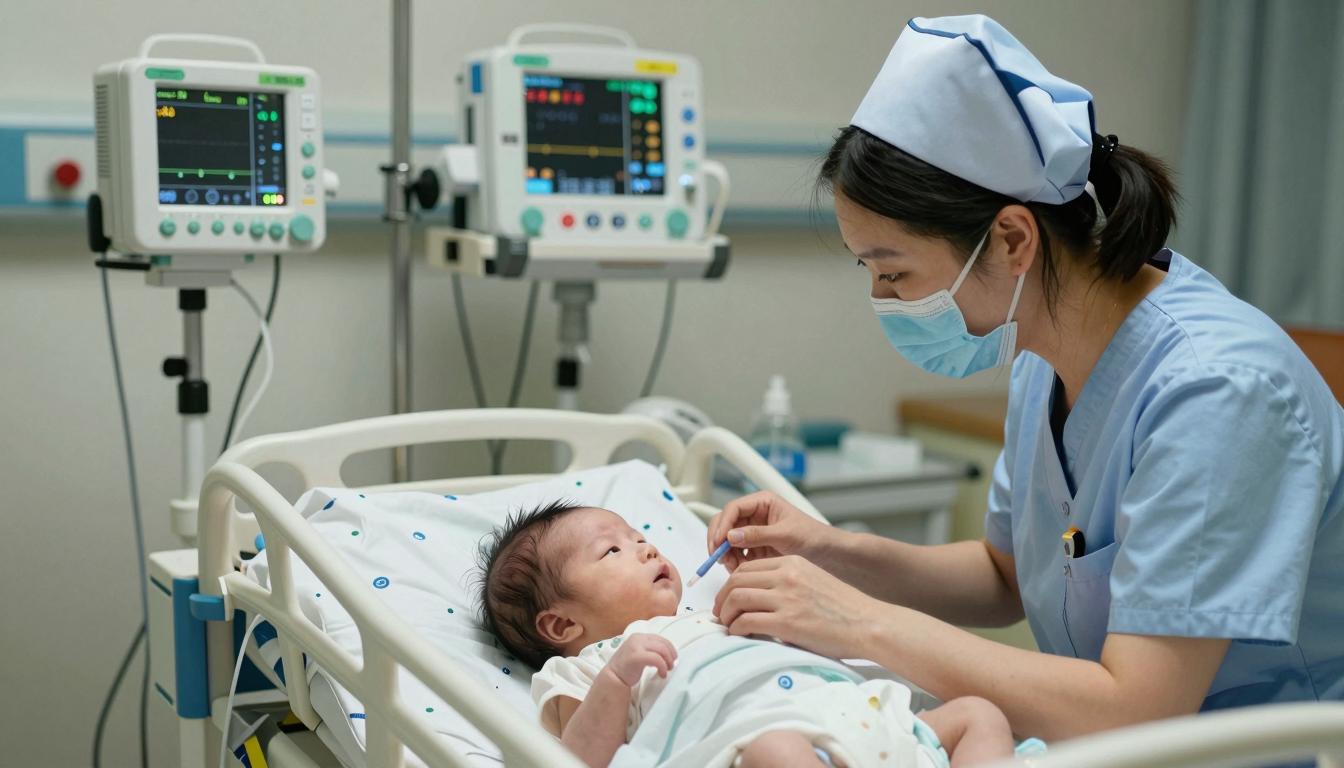
Some babies are watched and it closes on its own. Some need medicine to help it close. Some need a procedure. It depends on the baby and the size of the PDA.
Premature infants are monitored closely for this because it can affect oxygen needs and weight gain. This is one of the common complications in preterm infants.
The brain is still developing fast in the last part of pregnancy. Premature babies have a higher risk of brain bleeding. This is called intraventricular hemorrhage.
Not every premature baby gets this. Risk is higher the earlier the baby is born. Mild bleeding may have no long-term effect. More severe bleeding can lead to problems later.
Development is watched over time. Movement. muscle tone. feeding skills. Later on, speech and learning too. Follow-up visits help catch issues early.
These concerns are part of premature infant health issues that can affect long-term development.
Premature babies lose heat easily. They have less fat and thinner skin. They cannot control body temperature well.
Low temperature can cause problems. It can affect breathing. It can affect blood sugar. It can make infections more likely.
In the hospital, babies are kept warm in incubators or under warmers. After discharge, parents are taught how to keep the baby warm without overheating. This includes clothing, room temperature, and safe swaddling.
This is one of the quieter but very common common health issues in premature babies.
Premature babies need eye checks. A condition called ROP, retinopathy of prematurity, can happen. It affects blood vessels in the eye. It does not happen in every baby, but it needs screening. If caught early, it can be treated.
Hearing screening is also standard. Some premature babies have hearing issues. Sometimes it is related to early birth. Sometimes it is related to infections or medicines used in the NICU.
Follow-up matters because problems are easier to treat when found early. This is part of the usual plan for premature baby medical conditions.
Premature babies often grow slower at first. They may need higher-calorie feeds. They may need more frequent weight checks. Growth is tracked carefully.
Development can also be delayed. Motor skills may come later. Speech may come later. Learning may need support later on. Not all premature babies have delays, but the risk is higher.
Doctors use corrected age. That means they adjust for how early the baby was born when checking milestones. This helps make comparisons fair.
Early intervention can help. Therapy support may be offered if delays are seen. This is one of the long term health issues in premature babies that families should know about, even if it never happens.
Premature babies usually need more follow-up. More appointments. More checks. Growth checks, development checks, and sometimes specialist follow-ups.
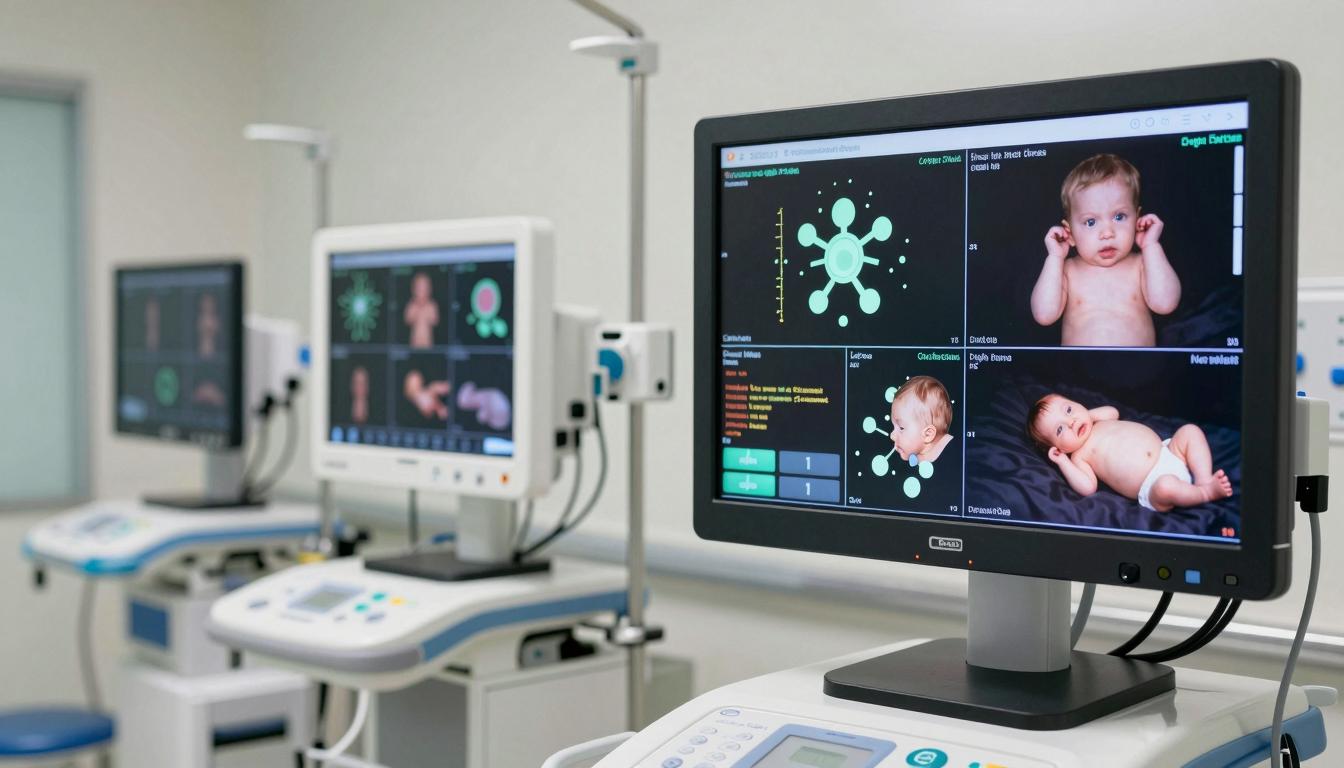
Vaccinations are important. Many premature babies still follow the normal schedule, based on age, with guidance from the child’s doctor.
Medication safety is important. Doses are smaller. Doses change as weight changes. This is where pharmacies help families avoid mistakes. Support is available through grantpharmacy.com for medication questions and dosing help.
Parents also need reassurance. It is stressful caring for a premature baby at home. Many parents worry about every cough or every missed feed. That is normal.
If someone asks what health problems do premature babies face, the answer is not one thing. It is a list. Breathing, feeding, infection risk, temperature control, and growth. These are the big ones. Many babies improve a lot with time and proper support.